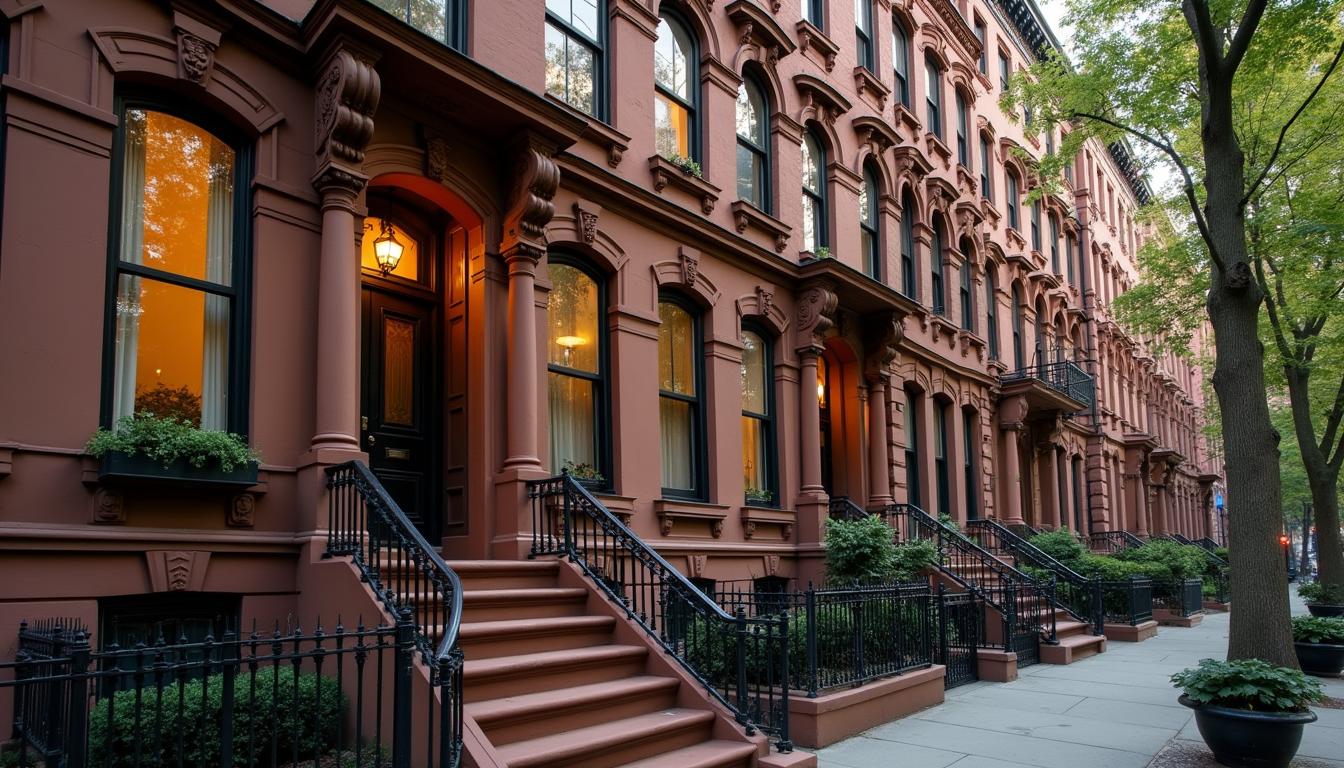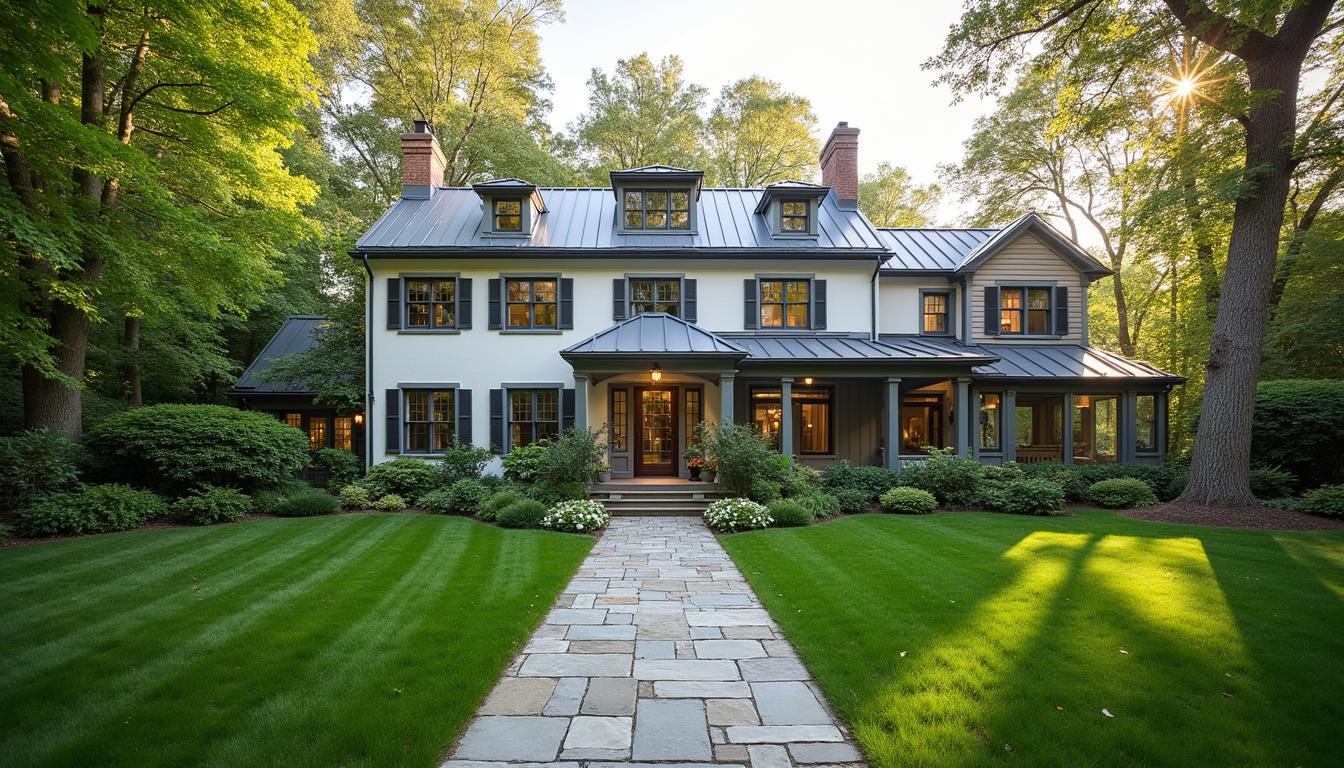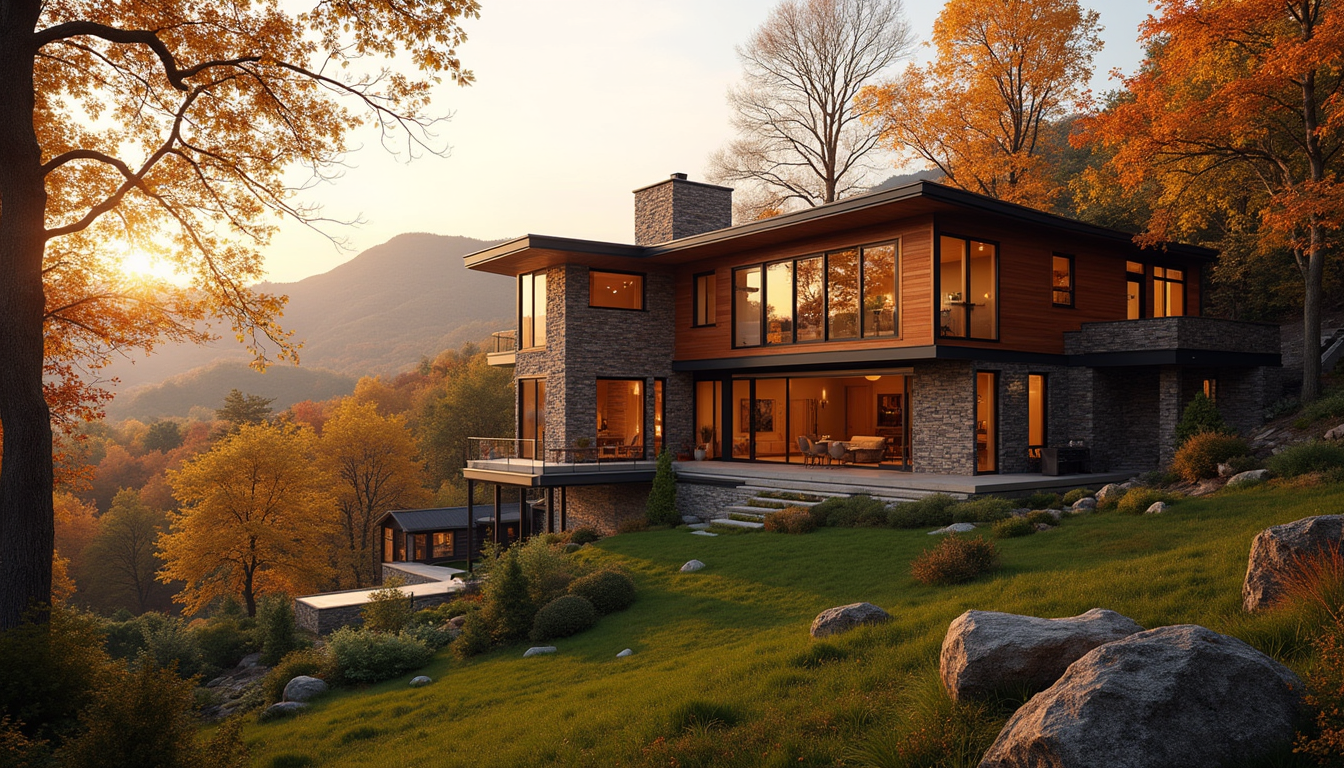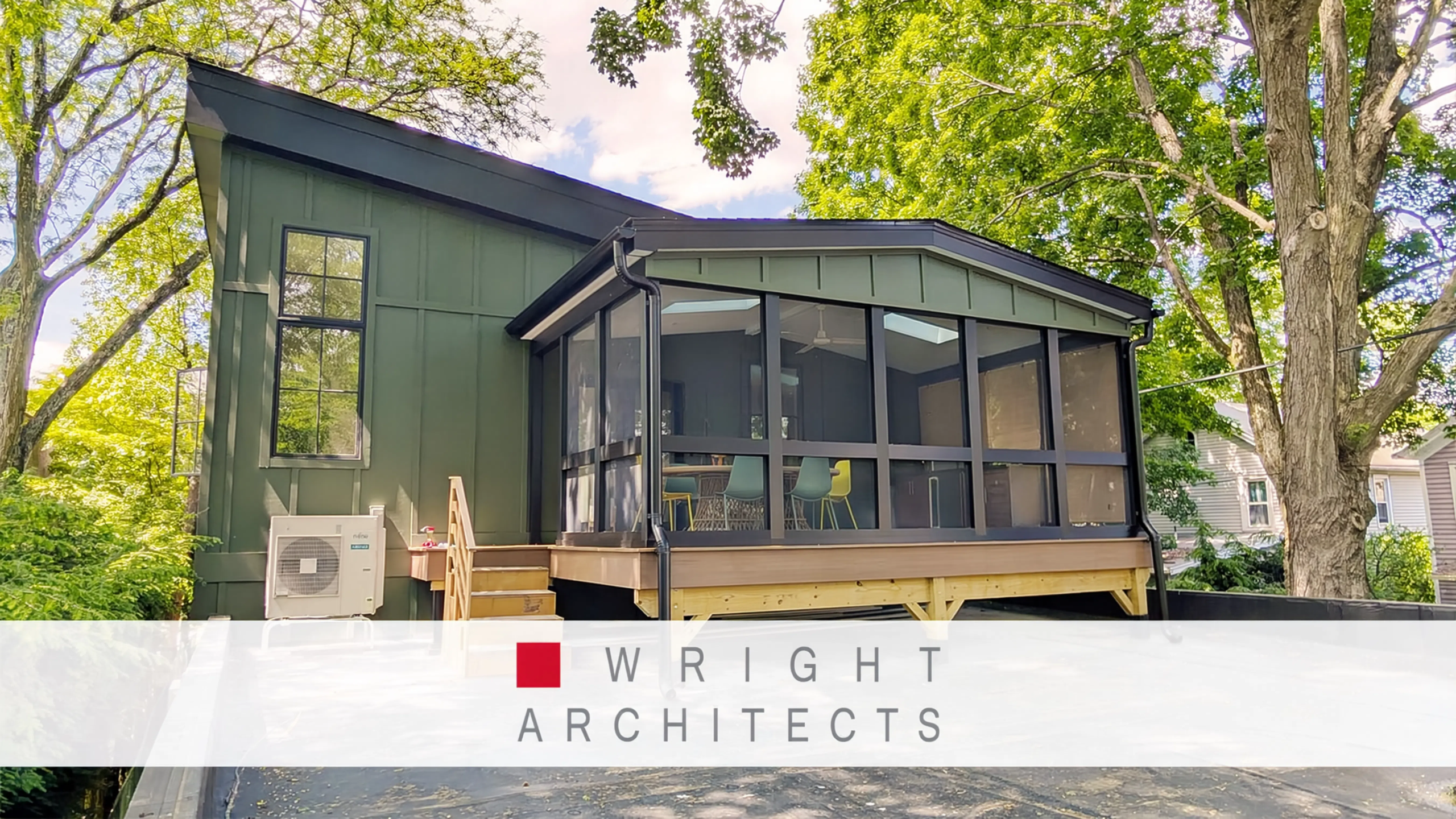
Designing a home in the Hudson Valley is never just about drawing something beautiful. It’s a layered, thoughtful process that balances creativity with responsibility, where aesthetics must work hand in hand with functionality, longevity, and place. Every project begins with context: the land, the light, the surrounding architecture, and the way a home will actually be lived in over time.
It’s about translating ideas, emotions, and long-term goals into a set of plans that can actually be built, on a specific site, within a real budget, and under the realities of local regulations, climate, and construction practices. In a region as diverse as the Hudson Valley, this means understanding everything from zoning nuances and environmental constraints to seasonal performance and material durability.
When you work with us, you’re not handing over a vague dream and hoping it works out. You’re engaging in a structured yet flexible design partnership, one where communication, transparency, and problem-solving are central from day one. We believe strong residential architecture comes from asking the right questions early, addressing challenges head-on, and aligning design decisions with both practical needs and personal aspirations.
You’re entering a collaborative process where we listen carefully, ask thoughtful questions, and apply decades of regional experience to turn your vision into a clear, buildable roadmap. This collaboration allows us to anticipate issues before they arise, streamline approvals, and ensure that design intent carries through every phase of the project. Whether you’re planning a new home, renovating a historic structure, or exploring a complex site in Ulster County, our role is to guide you from first conversation to construction-ready drawings with clarity and care.
Throughout this process, we act as advocates for your goals, balancing creativity with feasibility, and ambition with precision. Our drawings are not just conceptual; they are detailed tools that builders can trust, regulators can approve, and clients can feel confident investing in.
We’ve spent years practicing Hudson Valley residential architecture, and this post pulls back the curtain on how we approach that work, what we look for, how we think, and how we help you move from inspiration to reality. By sharing our process openly, we aim to demystify residential design and show how thoughtful planning leads to homes that are not only beautiful, but enduring, functional, and deeply connected to their surroundings.
Listening First: Understanding What You Want, and Why
Every project starts with listening. Long before lines are drawn or solutions are proposed, we focus on understanding the people behind the project. Architecture, especially residential work, is deeply personal, and without a clear understanding of your priorities, even technically perfect plans can fall short of supporting the life you want to live.
Before we talk about square footage, materials, or styles, we want to understand how you live, what brought you to the Hudson Valley, and what you hope this project will support in your life. These conversations help us move beyond surface-level preferences and uncover the values that should guide every design decision.
Some clients come to us with folders of inspiration images. Others arrive with a site and a general sense of “we’ll know it when we see it.” Both are completely valid starting points. Visual references can be helpful, but they’re only one piece of the puzzle, and often, they represent feelings or aspirations rather than literal design solutions.
What matters most is uncovering the intent behind the ideas. We take time to explore not just what you like, but why you’re drawn to it, and how it might translate into a home that works for you day after day.
How do you imagine moving through the house on a daily basis?
Where do you want quiet, and where do you want connection?
Is this a full-time home, a weekend retreat, or something in between?
How do seasons shape how you’ll use the space?
These questions help clarify priorities that aren’t always obvious at first glance. They inform everything from layout and circulation to window placement, material choices, and long-term flexibility.
Designing in this region means responding to long winters, muddy shoulder seasons, intense summer sun, and the rhythms of rural and small-town living. A home in the Hudson Valley needs to feel grounded, resilient, and adaptable, comfortable in January, effortless in August, and practical year-round.
We ask questions that help align the design with those realities early on, so the final plans feel intuitive rather than forced. By addressing lifestyle patterns, climate considerations, and daily habits from the beginning, we reduce friction later in the process and create designs that feel natural rather than imposed.
This early dialogue sets the foundation for our custom home design services. Without it, even the most striking design can miss the mark. When listening comes first, the architecture that follows is clearer, more intentional, and far better equipped to support the way you actually live.
Reading the Land: Site Analysis in the Hudson Valley
In the Hudson Valley, no two sites are the same. Each property brings its own physical characteristics, regulatory context, and experiential qualities that must be understood before meaningful design decisions can be made. Sloped terrain, shallow bedrock, wetlands, wooded lots, and expansive views all present both opportunities and constraints, and often, they exist together in complex ways.
We spend significant time studying your land before committing to a design direction. This phase is not about forcing solutions, but about careful observation: understanding how the site behaves throughout the year and how a home can respond intelligently to those conditions.
This includes:
Solar orientation and seasonal sun paths
Prevailing winds and natural sheltering
Drainage patterns and soil conditions
Existing vegetation and natural features
Access points for construction and long-term use
Each of these factors directly informs how a house is positioned, shaped, and detailed. Sun angles influence window placement and energy performance. Wind patterns affect comfort and outdoor usability. Soil and drainage conditions guide foundation strategies and long-term durability. Mature trees, rock outcroppings, and natural clearings often become organizing elements rather than obstacles.
A house that works beautifully on a flat suburban lot may fail entirely on a wooded hillside in Ulster County. By responding to the land instead of imposing a generic solution, we create designs that feel grounded and appropriate, homes that belong to their sites rather than sitting awkwardly on them.
This approach also helps balance aesthetics with constructability. Early site analysis allows us to anticipate grading challenges, excavation costs, and infrastructure needs, leading to more accurate budgeting and fewer surprises once construction begins.
This is also where local permitting realities come into play. Zoning setbacks, conservation overlays, floodplain considerations, and septic constraints all influence what’s possible. These layers of regulation are inseparable from the physical characteristics of the land, and addressing them early is essential to maintaining momentum.
Our experience navigating these processes helps prevent costly redesigns later. By aligning design intent with regulatory requirements from the outset, we streamline approvals and reduce the risk of delays or major revisions once plans are submitted.
When clients tell us they feel relieved after this phase, it’s usually because the project starts to feel real, and manageable. The unknowns begin to resolve into clear parameters, and the design process moves forward with confidence, clarity, and a strong foundation rooted in the realities of the land itself.
Translating Vision into Spatial Concepts
Once we understand your goals and your site, we begin shaping the project through diagrams, sketches, and preliminary layouts. This is where abstract ideas start becoming spatial decisions.
Rather than jumping straight to aesthetics, we focus on relationships:
- How public and private spaces connect
- Where circulation should feel open or compressed
- How indoor spaces relate to outdoor rooms, decks, and landscapes
- How views are revealed, or intentionally screened
We often explore multiple options at this stage. Seeing different approaches helps clarify priorities and encourages thoughtful discussion. It’s also an opportunity to test ideas against practical constraints before investing too deeply in any one direction.
As modern home architect Hudson Valley practitioners, we balance contemporary design thinking with respect for regional context. Clean lines, thoughtful detailing, and modern layouts can coexist with traditional forms, historic surroundings, and natural materials.
Design Development: Making the House Work
As the design evolves, we move into a phase where creativity and technical problem-solving meet. This is where vision truly becomes buildable.
We refine:
- Floor plans and room proportions
- Structural systems and spans
- Window placement and glazing strategies
- Roof forms and drainage
- Material selections and assemblies
This is also when conversations about budget become more concrete. We’re transparent about how design decisions affect cost, durability, and long-term performance. Our goal is not to upsell or oversimplify, but to help you make informed choices.
For clients interested in high-performance homes, this phase often includes deeper exploration of energy-efficient house plans. We look at insulation strategies, air sealing, mechanical systems, and envelope performance early enough to integrate them seamlessly into the architecture.
Our experience with sustainable architecture in Kingston NY and surrounding communities informs these decisions. Sustainability isn’t a single feature, it’s a mindset that influences orientation, materials, and systems from the start.
Passive House and High-Performance Design Experience
Some projects call for advanced performance standards, including Passive House principles. As a PHIUS Certified Passive House Consultant and Certified Passive House Tradesperson, we’ve worked firsthand with the demands, and rewards, of ultra-efficient design.
Passive House isn’t about a particular look. It’s about measurable performance:
- Exceptional thermal comfort
- Dramatically reduced energy use
- Improved indoor air quality
- Long-term resilience and durability
Even when clients aren’t pursuing full certification, we often apply Passive House strategies where they make sense. These lessons influence how we detail walls, specify windows, and coordinate mechanical systems.
For homeowners planning to live in their house long-term, these decisions can significantly affect comfort and operating costs over decades, not just at move-in.
Guidelines from organizations like the U.S. Department of Energy help inform best practices around green building and energy performance, while industry publications such as ArchDaily showcase how sustainable strategies can be integrated into compelling architecture.
Design-Build vs. Design-Bid-Build: Choosing the Right Path
One of the most important decisions you’ll make, often early on, is how your project will be delivered. The project delivery method influences not only how your home is designed and built, but also how information flows, how decisions are made, and how risks are managed throughout the process. We help clients understand the differences between Design-Build and Design-Bid-Build approaches so they can choose what aligns best with their goals.
Both paths can lead to successful outcomes, but they function very differently in practice. Understanding those differences early allows you to set realistic expectations around cost, schedule, collaboration, and control.
Design-Bid-Build offers:
Clear separation between design and construction
Competitive bidding among contractors
Defined construction documents before pricing
This traditional model gives clients a high degree of design independence and pricing transparency once documents are complete. It can be especially effective when the scope is well defined and the client values comparing multiple contractor bids before committing to construction.
Design-Build can provide:
Earlier cost feedback
Integrated problem-solving between designer and builder
Streamlined communication
With Design-Build, design and construction teams work together from the outset. This often leads to faster decision-making, fewer handoffs, and a more fluid response to site conditions or budget constraints as they arise. For some clients, this integrated approach reduces stress and shortens timelines.
We’ve worked successfully within both frameworks. Our role is not to steer clients toward a single model, but to help them understand how each approach will shape their experience. What matters most is clarity, about roles, responsibilities, and expectations. Without that clarity, even well-intentioned teams can struggle.
We’re candid about the pros and cons of each approach based on project complexity, timeline, and client comfort level. Factors such as site challenges, regulatory hurdles, desired level of involvement, and risk tolerance all play a role in determining which path makes the most sense.
This transparency builds trust and prevents misunderstandings down the line. When everyone understands how the project will move forward, decisions become easier, communication improves, and the design process can stay focused on creating a home that meets both practical needs and long-term aspirations.
Construction Documents: Where Precision Matters
By the time we reach construction documents, the big ideas are set, but the work is far from over. This phase represents the critical bridge between design intent and physical construction. It’s where concepts are translated into exact dimensions, coordinated systems, and instructions that can be built reliably in the field.
This phase is about precision. Every line, note, and specification must work together to eliminate ambiguity and support accurate pricing, permitting, and construction. Decisions made earlier are tested here for feasibility, compliance, and constructability.
We produce detailed drawings and specifications that communicate intent clearly to builders, consultants, and inspectors. These documents are not simply a formality; they are the primary tool that aligns everyone involved in the project and sets expectations for quality, performance, and execution.
These documents address:
Structural coordination
Energy code compliance
Accessibility where applicable
Local building code requirements
Constructability and sequencing
Each of these components requires careful coordination across disciplines. Structural systems must integrate seamlessly with architectural layouts. Energy performance strategies must comply with code while supporting comfort and efficiency. Sequencing considerations help builders understand how the project comes together on site, reducing guesswork and rework.
In a region like the Hudson Valley, where weather, terrain, and labor availability can all affect construction, clarity on paper matters. Construction often occurs in tight seasonal windows, on challenging sites, and with evolving site conditions. Well-coordinated documents reduce delays, change orders, and stress during the build by minimizing uncertainty before work begins.
These drawings also play a key role in permitting and inspections. Clear, thorough documentation helps reviewers understand the project intent, respond efficiently, and move approvals forward without unnecessary back-and-forth.
Builders often tell us they appreciate drawings that anticipate real-world conditions. That feedback comes from years of field experience and close collaboration with contractors throughout the region. By incorporating practical insights into our documentation, we create sets that not only meet regulatory requirements but also support smoother, more predictable construction from groundbreaking to completion.
Collaboration During Construction
Our involvement doesn’t stop when the drawings are complete. Construction is not a handoff—it’s a continuation of the design process in a new, highly dynamic context. During this phase, our role shifts from planning to stewardship, helping ensure that the intentions embedded in the documents are carried through accurately in the field.
During construction, we remain engaged, answering questions, reviewing submittals, and visiting the site to ensure the work aligns with the design intent. These touchpoints allow us to catch issues early, clarify details, and support decision-making as conditions evolve on site.
This phase often reveals details that can’t be fully resolved on paper. No set of drawings, no matter how thorough, can anticipate every field condition. When those moments arise, we work collaboratively with builders and clients to find solutions that respect both design goals and construction realities. The goal is not rigid adherence, but thoughtful adaptation, maintaining design integrity while responding pragmatically to what’s uncovered.
Effective collaboration at this stage helps prevent small issues from becoming costly problems. Clear communication, timely responses, and mutual respect between all parties keep the project moving forward with confidence.
It’s also when homeowners see their ideas become tangible. Watching a project take shape, walls going up, light entering spaces as intended, is one of the most rewarding parts of our work. This visibility reinforces the value of early planning and careful coordination, as the spatial qualities imagined months earlier begin to exist in real form.
For us, staying involved during construction is about accountability. It ensures that the home being built reflects the thought, care, and intent invested throughout the design process, and that the final result feels cohesive, resolved, and true to the original vision.
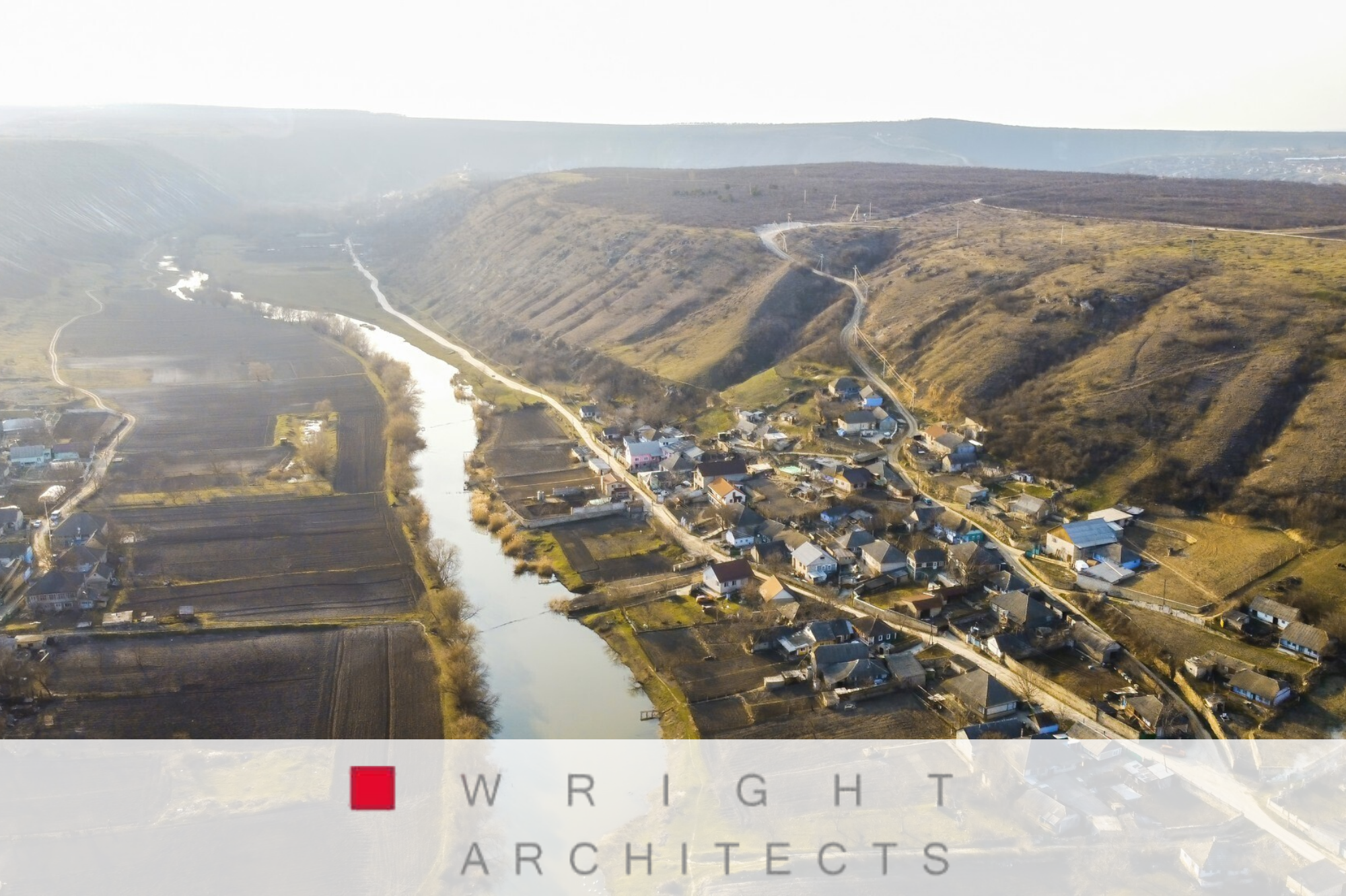
Lessons Learned from Hudson Valley Projects
Over the years, designing homes in this region has taught us valuable lessons:
- Early site analysis saves time and money
- Clear communication prevents most construction issues
- Flexibility is essential, conditions change
- Thoughtful detailing pays off long-term
We’ve seen how small decisions early on can dramatically affect comfort, durability, and enjoyment years later. Sharing those insights is part of how we support our clients beyond drawings and plans.
Local publications like Hudson Valley Magazine regularly highlight regional real estate trends and housing priorities, reinforcing how much local context matters in residential design.
Designing for Long-Term Living
Whether you’re building a primary residence or a retreat, we encourage thinking beyond immediate needs. Life changes, families grow, and priorities shift.
We often discuss:
- Future flexibility in layouts
- Aging-in-place considerations
- Maintenance and material longevity
- Adaptability for changing use
Designing with these factors in mind doesn’t mean overbuilding. It means making thoughtful choices that allow your home to support you over time.
This philosophy is central to our approach to Hudson Valley residential architecture, homes that feel personal, practical, and enduring.
Why Buildable Plans Matter
Beautiful ideas are only meaningful if they can be realized. Architecture lives at the intersection of imagination and execution, and without a clear path between the two, even the most compelling concepts can remain abstract. Buildable plans bridge the gap between imagination and experience. They translate intent into action and provide the structure needed to turn vision into something tangible and enduring.
Buildability is not about limiting creativity, it’s about enabling it. When plans are grounded in real-world constraints, they empower builders, consultants, and clients to move forward with confidence rather than hesitation.
When done well, they:
Reduce uncertainty during construction
Support accurate pricing
Enable smoother collaboration
Protect design intent
These outcomes are interconnected. Clear documentation minimizes guesswork, allowing contractors to focus on craftsmanship instead of interpretation. Accurate pricing supports informed decision-making and reduces the risk of surprises. Strong collaboration grows naturally when everyone is working from the same, well-resolved set of information. Most importantly, buildable plans ensure that the ideas developed during design survive the many transitions that occur between concept and completion.
Our role is to guide that translation with honesty, experience, and care. We approach this responsibility with an understanding of both the creative and practical sides of residential architecture, particularly within the Hudson Valley’s unique regulatory and environmental context.
We don’t promise perfection, but we do promise diligence, transparency, and a deep respect for both the process and the people involved. That commitment is what allows complex projects to move forward with clarity, and what ultimately results in homes that feel thoughtful, well-crafted, and true to the original vision.
Starting the Conversation
If you’re thinking about building or renovating in the Hudson Valley, we encourage you to start with a conversation. Before decisions feel fixed or assumptions take hold, an early dialogue can clarify goals, surface constraints, and open up opportunities that may not be obvious at first glance.
Early discussions often reveal possibilities, and constraints, that shape better outcomes. They help establish realistic expectations around budget, timeline, and process, while also creating space to talk through priorities, lifestyle needs, and long-term plans. Even brief conversations can provide valuable direction and prevent missteps later on.
Thinking about your own project? Let’s talk.
Have a site you’re considering? We’d love to see it.
Whether you’re at the very beginning, still evaluating land, or further along with a property already in hand, these initial exchanges are about exploration, not commitment. They’re an opportunity to ask questions, test ideas, and understand what your project might realistically become.
Reach out to us if you’re ready to explore what’s possible on your land. We bring local knowledge, technical insight, and a thoughtful approach to every conversation, helping you assess next steps with clarity rather than pressure.
Design is a journey, and we’re here to help you navigate it with clarity and confidence. From first conversation to finished home, our goal is to guide the process in a way that feels informed, intentional, and aligned with how you want to live.