
Architecture disclaimer: General information about historic renovation design. Not a landmark-permit determination or structural assessment for your property.
Historic renovation architects in Ulster County work at a careful intersection: respect for the buildings that define Kingston, Stone Ridge, Saugerties, and surrounding towns—and the modern expectations of comfort, safety, and energy performance. The best outcomes do not freeze a house in amber or gut it into anonymity. They listen to what the structure already is, then edit with discipline.
Wright Architects has long practiced historic renovation and adaptive reuse across Ulster County and the Hudson Valley, including projects that pair heritage fabric with high-performance envelopes. This guide explains what Ulster County architects should examine on a historic property, how performance upgrades fit, and how clients can prepare for a thoughtful process.
What Do Historic Renovation Architects in Ulster County Focus on First?
First comes understanding: existing structure, moisture pathways, previous alterations, character-defining features, and the client’s real program. Ulster’s building stock ranges from stone houses and brick commercial fabric to wood-frame farmhouses and village infill. Each type fails—and succeeds—differently.
Historic renovation architects document what must be retained, what can be repaired, and what should be reversed because a past renovation harmed the building. Only then do addition strategies, kitchen and bath modernization, and energy upgrades make sense. Skipping that reading is how projects lose the very qualities owners fell in love with.
Explore Wright Architects’ historic renovation services in Ulster County and our guidance on sustainable architecture in Kingston NY.
How Do Preservation Goals Work With Energy Upgrades?
Owners often fear that insulation, air sealing, and modern mechanicals will destroy historic character. Done poorly, they can. Done well, upgrades are largely invisible: interior or exterior insulation strategies matched to wall assemblies, carefully detailed windows, and mechanical rooms planned so ducts and equipment do not consume significant spaces.
Guidance from the National Park Service Technical Preservation Services emphasizes repairing character-defining features and making changes reversible when possible. Performance targets from Passive House or deep-energy retrofit practice can still apply, but the sequence and detailing must honor the existing building science of thick masonry or irregular wood frames.
Wright Architects treats sustainability as integral, not decorative. Ulster winters and humid summers punish leaky envelopes; comfort upgrades are part of stewardship when they protect both people and fabric.
What Approvals and Constraints Should Clients Expect?
Constraints vary by location: local historic districts, individual landmarks, floodplain rules, zoning setbacks, and wetland buffers can all apply. Kingston’s historic areas differ from rural townships. Your architect should map the approval path early so design time is not wasted on a massing that cannot be permitted.
Ulster County architects familiar with local boards can save months. Bring prior surveys, deed restrictions, and photographs of original conditions if you have them. Unknowns are normal; withholding information about past unpermitted work is not helpful.
How Should Additions Relate to Historic Houses in Ulster County?
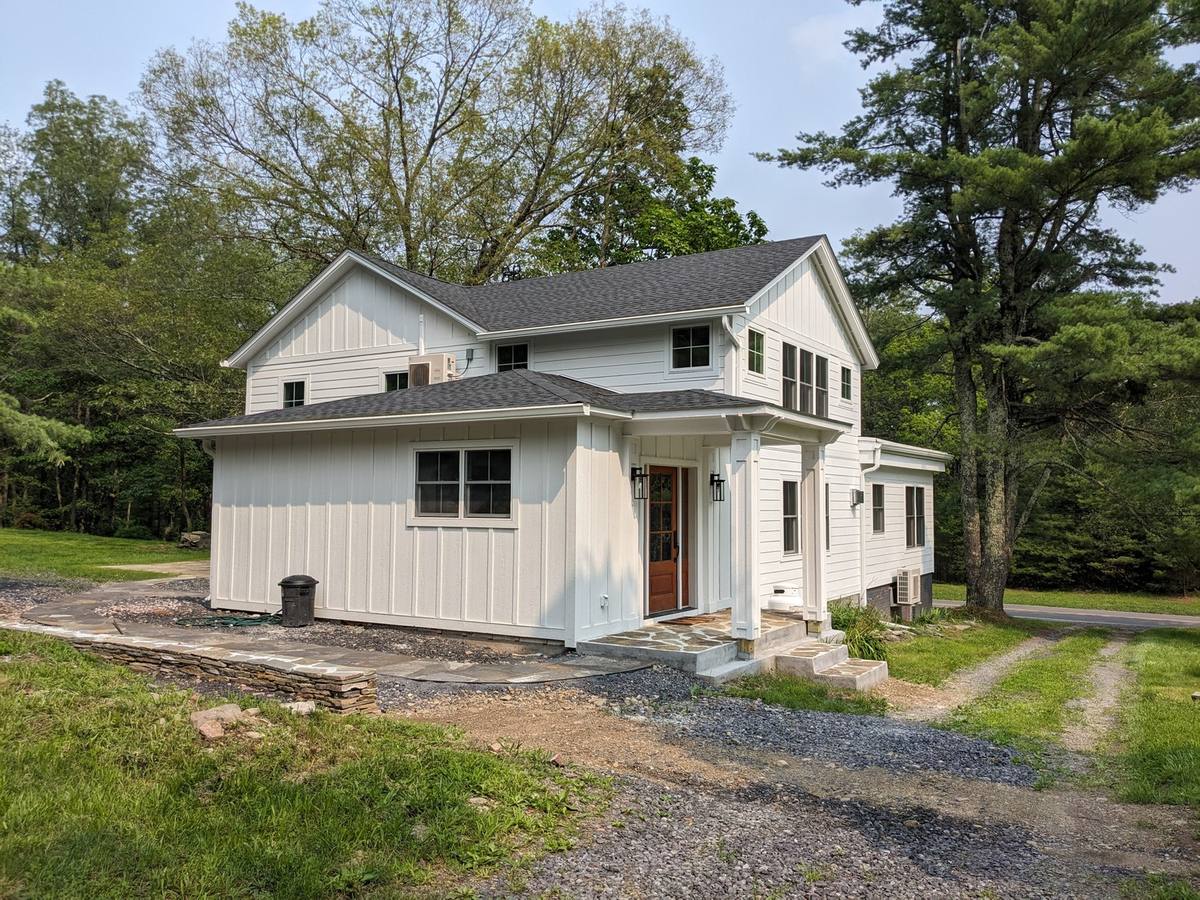
Successful additions are often quieter than the original house: aligned with secondary elevations, differentiated yet compatible in scale, and honest about being of their time. Copy-paste historic-style wings can feel less authentic than a well-proportioned contemporary volume.
Program drives form. Aging-in-place suites, studios, and kitchens expand differently than a simple family room. Site slopes common in Ulster can hide bulk on the downhill side. The renovation architect’s job is to protect the primary public face while giving the household the square footage it actually needs.
What Does a Typical Historic Renovation Process Look Like?
Expect existing-conditions documentation, programming, concept options, design development with structural and MEP collaborators, permitting, and construction observation. Material salvage decisions—floorboards, hardware, and millwork—should be made early so demolition does not destroy value.
Budget contingencies matter more on renovations than new builds because hidden conditions appear once walls open. A seasoned historic renovation architect plans for discovery without normalizing chaos.
Our Kingston NY architects page outlines residential and reuse project types we commonly lead.
How Do You Choose Among Ulster County Architects for Historic Work?
Look for built examples of sensitive renovation—not only new modern houses. Ask how the firm handles window decisions, moisture in old masonry, and contractor selection for craft-intensive scopes. Ask who will actually attend site meetings.
Chemistry matters. Historic projects are collaborative over years; you want principals who listen and edit, not impose a signature that erases the building’s voice.
Direct answers
Frequently Asked Questions
What do historic renovation architects in Ulster County do?
They guide the repair, adaptation, and performance upgrade of older buildings while protecting character-defining features and navigating local approvals.
Can a historic Ulster home reach high energy performance?
Often yes, with careful detailing. Targets and methods must match the assembly; one-size spray approaches can harm historic fabric.
Do I always need landmark approval?
Only if your property is designated or in a regulated district. Your architect should verify status early.
Should original windows always be replaced?
Not always. Repair and weatherization can outperform hasty replacement; decisions are case-specific.
How early should I hire an architect?
Before major demolition or contractor commitments—ideally as soon as you know the building’s constraints and your program.
Does Wright Architects work outside Kingston?
Yes. We work across Ulster County, the Hudson Valley, and New York City.
Begin a Historic Renovation With Clarity
Historic renovation architects in Ulster County should leave you with a building that still feels like itself—only healthier, safer, and more livable. Wright Architects brings preservation judgment and performance expertise to that balance. Contact Wright Architects or call (845) 338-3383 to start a conversation about your property.
Architecture disclaimer: General information only. Engage licensed professionals for assessments, filings, and contracts.