
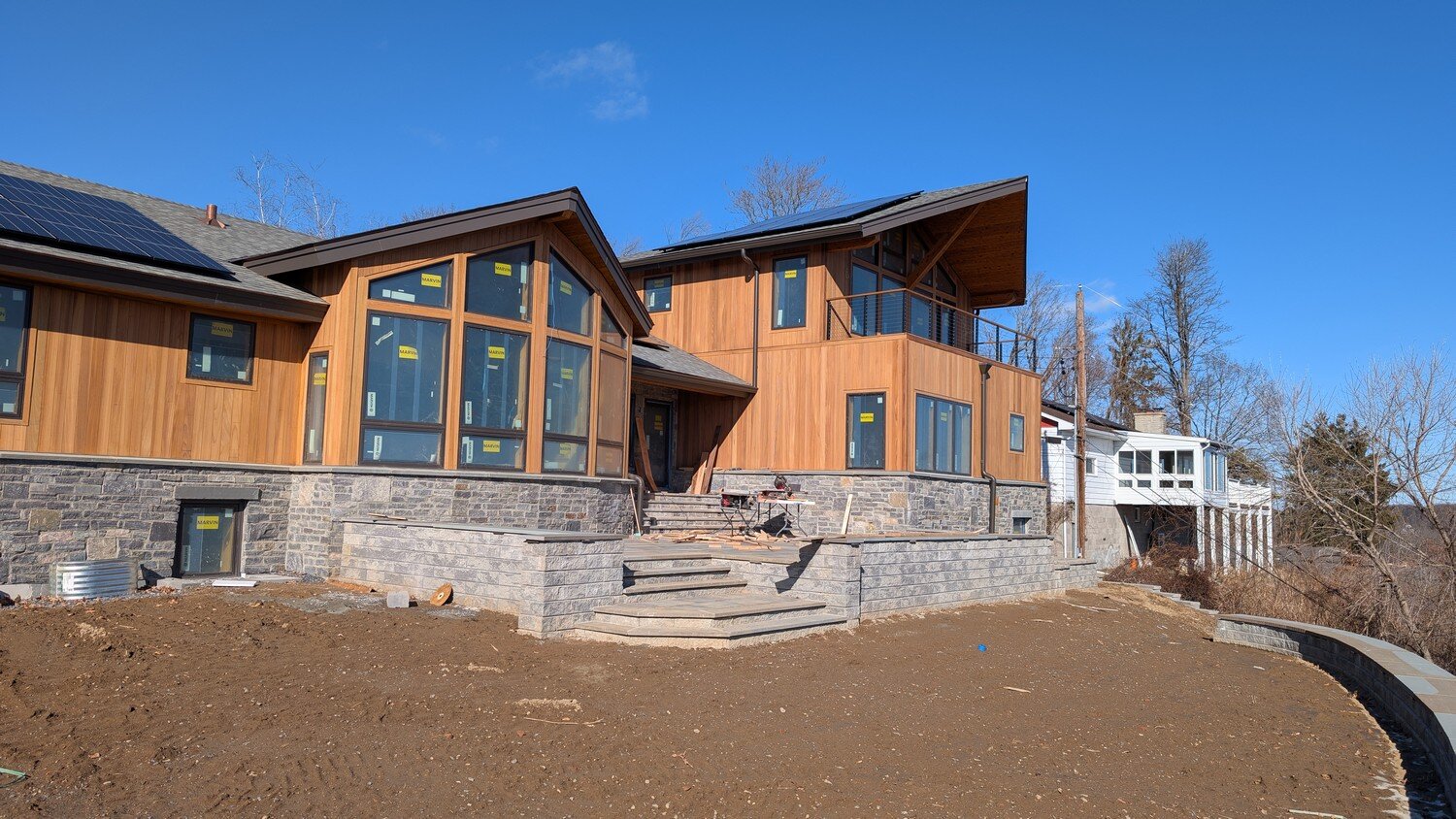
Choosing a Hudson Valley architect comes down to fit: find a licensed firm that knows the region's terrain, historic building stock, and municipal review process, then confirm their portfolio matches your project type. The right architect translates your goals into a buildable, permit-ready design and stays with you from first sketch through construction.
The Hudson Valley is one of the most rewarding places in New York to build or renovate, and one of the most nuanced. Between protected viewsheds, aging farmhouses, mixed zoning, and towns that each run their own review boards, a good architect is less a luxury than a navigator. This guide walks through how to evaluate firms, what questions to ask, and how the design process actually unfolds.
What Does a Hudson Valley Architect Actually Do?
An architect does far more than draw a pretty elevation. They program your needs, test them against your site and budget, produce the drawings your builder and municipality require, and coordinate engineers and consultants along the way. In New York State, only a licensed architect or professional engineer may prepare and seal construction documents for most building work, which is why the initials matter as much as the aesthetics.
A regional firm adds local fluency on top of that technical role. At Wright Architects, our work spans new custom homes, additions, and historic restoration across Ulster, Dutchess, and neighboring counties, so we design with the area's climate, soils, and code officials already in mind. You can see the range of that work on our portfolio page, and learn how we structure engagements on our architecture services page.
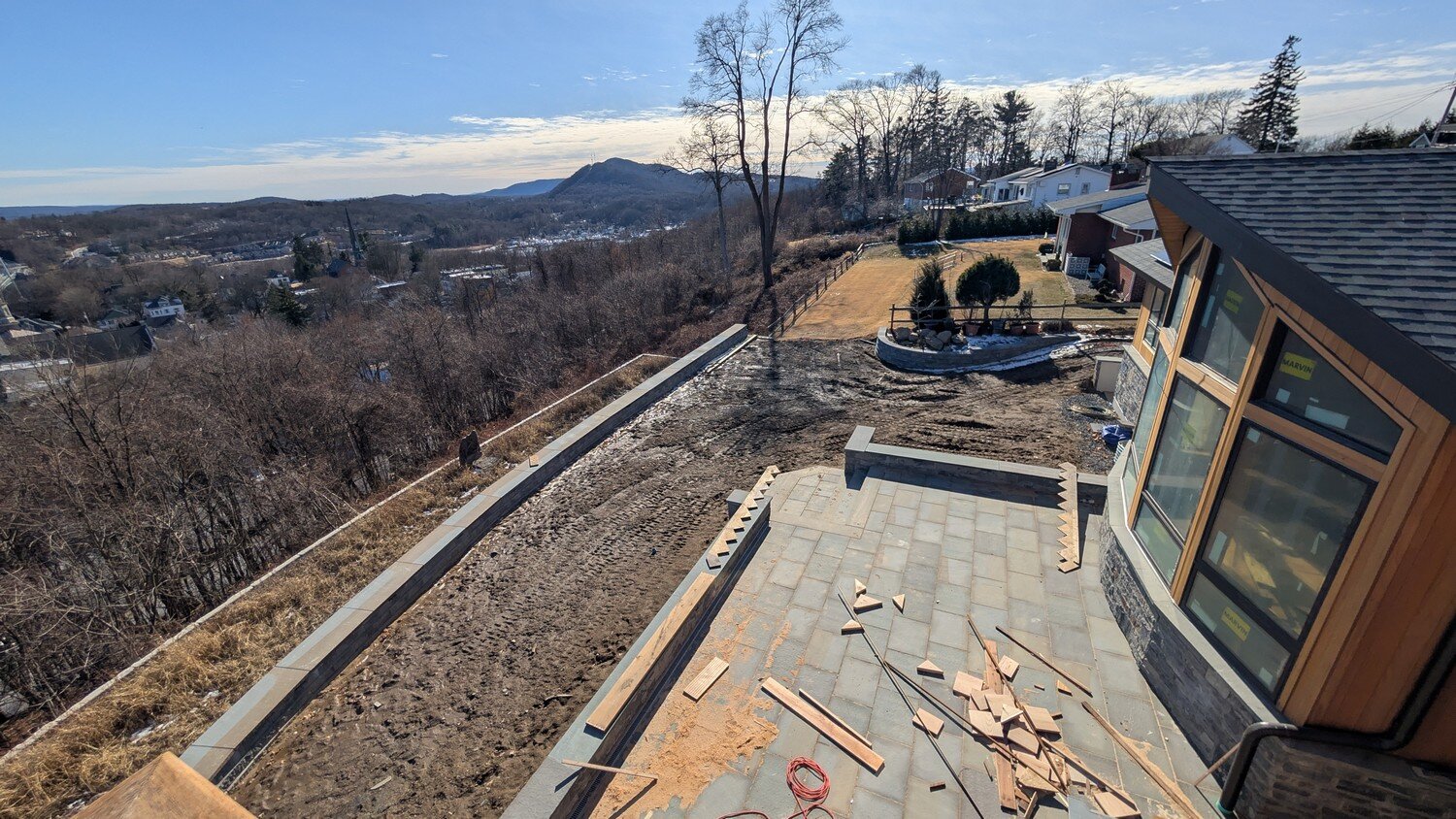
Why Does Local Experience Matter So Much Here?
Local experience matters because approvals in the Hudson Valley are decided town by town, not by a single statewide counter. A firm that has already presented to your planning or zoning board understands its expectations, meeting cadence, and documentation preferences, which can shave weeks off a schedule.
Terrain is the second reason. Sloped rocky sites, high water tables near the river, and wetland buffers all shape foundation design and stormwater strategy. New York's climate also pushes toward serious energy detailing, and the state's Energy Conservation Construction Code (available through the Department of State) sets the baseline every new home must meet. An architect who designs here routinely already knows where the hard parts hide.
How Do You Vet an Architect's Credentials?
Start by confirming the license. Every practicing architect in New York is registered with the State Education Department's Office of the Professions, and their status can be verified for free through the public license lookup at op.nysed.gov. A verifiable New York registration is the single most important credential you can check before signing anything.
From there, look at fit rather than fame. Ask to see completed projects similar to yours in scale and style, request references from clients whose homes are now built, and confirm the firm carries professional liability insurance. Membership in a professional body such as the American Institute of Architects signals ongoing engagement with the profession, though it is not a substitute for licensure.
What Should You Ask During the First Meeting?
Treat the first meeting as a two-way interview. The most useful questions cut past the portfolio to how the firm actually works:
- Who will be my day-to-day contact, and will a principal stay involved?
- How do you structure fees: percentage of construction cost, fixed fee, or hourly?
- What does your process look like from concept to permit to construction?
- How do you handle changes, overruns, and coordination with the builder?
- Have you worked in my town, and with my likely building department?
A trustworthy firm answers these plainly. Our own approach is laid out on the traditional architecture process page, and we welcome these conversations early through our contact page.
How Long Does the Design and Approval Process Take?
Design and approvals typically unfold over several months before a shovel touches ground, and rushing that phase is where most projects go wrong. The design phases themselves follow a well-established sequence—schematic design, design development, and construction documents—that the American Institute of Architects codifies in its standard owner-architect agreements.
Municipal review runs in parallel or just after. Simple interior renovations may need only a building permit, while new construction, variances, or work near protected resources can require planning board, zoning board, or even county review. Building generous time into this stage protects both your budget and your sanity.
What Does Working With Wright Architects Look Like?
Working with Wright Architects means a principal-led relationship grounded in the Hudson Valley. Based in Kingston, we treat design as a collaborative journey rather than a transaction, pairing careful listening with the technical rigor a permit set demands. Sustainability is built into that conversation from day one, not bolted on at the end.
Whether you are planning a new home, a thoughtful addition, or the restoration of a historic property, we guide the project from first idea through construction administration. To start a conversation about your goals, visit our contact page or learn more about our team on the about page.
Direct answers
Frequently Asked Questions
Do I need an architect for a home renovation in the Hudson Valley?
For most work that changes a building's structure, layout, use, or egress, New York requires drawings prepared and sealed by a licensed architect or engineer. Minor cosmetic work may not, but your local building department makes the final call, so it is worth asking before you begin.
How much does a Hudson Valley architect cost?
Fees vary with project size and complexity and are commonly structured as a percentage of construction cost, a fixed fee, or hourly billing. Ask each firm to explain its fee model in writing so you can compare offers on equal terms.
How do I verify a New York architect's license?
Use the free public license verification tool at the New York State Education Department's Office of the Professions (op.nysed.gov). It confirms whether a registration is current and in good standing.
What counties does Wright Architects serve?
Wright Architects is based in Kingston, NY and works across the Hudson Valley, including Ulster, Dutchess, and surrounding areas, as well as New York City and Westchester County.
Should I hire an architect or a design-build firm?
Both models can work. A design-build path bundles design and construction under one contract, while a traditional architect-led path keeps design independent of the builder. The right choice depends on how much design control and cost transparency you want.
How early should I bring in an architect?
As early as possible, ideally before you buy land or commit to a scope. An architect can flag site constraints, zoning limits, and budget realities while changes are still cheap to make.
Can an architect help with permits and zoning?
Yes. Preparing permit-ready documents and representing your project to building and zoning officials is a core part of most architects' scope, though the exact responsibilities should be spelled out in your agreement.