
Passive Architecture
Widely Recognized Hudson Valley Architects Specializing in Sustainable, Luxury Design Creating Inspired Homes and Commercial Spaces That Elevate Lifestyles and Honor the Environment
Sustainable by Design. Efficient by Nature.
At Wright Architects, we believe architecture should serve both people and the planet. That’s why we specialize in passive architecture—a design philosophy that maximizes energy performance, human comfort, and ecological responsibility from the ground up. We don’t simply add green features to our buildings—we integrate sustainability into the very bones of the structure. As a recognized leader in passive design across Ulster County, New York City, and the Hudson Valley, our portfolio includes custom homes, commercial buildings, and adaptive reuse projects that balance form with function, beauty with performance, and craftsmanship with science.What Is Passive Architecture?
High-Performance Design That Starts with Nature
At its core, passive architecture uses natural systems and precise design strategies to create buildings that maintain thermal comfort year-round with minimal reliance on mechanical heating and cooling.
Core Principles of Passive Architecture:
- Airtight Building Envelopes
Meticulously sealed structures eliminate drafts, reduce energy loss, and prevent moisture intrusion.
- Passive Solar Orientation
Building layouts, overhangs, and glazing strategies are tuned to the sun’s path, balancing heat gain and loss.
- High-Performance Insulation & Thermal Bridge-Free Detailing
Walls, roofs, and floors are wrapped in continuous insulation to prevent heat leaks and cold spots.
- Balanced Ventilation with Heat Recovery
These systems deliver constant fresh air without wasting energy—improving indoor air quality and wellness.
- Energy Modeling & Systems Optimization
We use tools like PHPP and WUFI to simulate performance and right-size mechanical systems—lowering costs, increasing resilience, and informing every design decision.
Together, these principles create buildings that stay warm in winter, cool in summer, and up to 90% more energy-efficient than standard construction.
Our Approach to Passive Architecture
Deep Technical Expertise. Personalized Design. Proven Results.
At Wright Architects, we don’t offer a one-size-fits-all sustainability package. Instead, we customize each passive strategy to your site, lifestyle, and goals—because a good design should reflect your values just as much as your location.
Our Process Includes:
- Certified Passive House Consultants (CPHC)Trained to deliver Passive House–compliant buildings that meet the highest international performance standards.
- LEED-Accredited Professionals (LEED AP)Equipped to help you meet sustainability targets across material selection, indoor environmental quality, and energy use.
- 3D BIM Modeling & Revit CoordinationWe model the entire building digitally—enabling precise detailing, cost forecasting, and stakeholder alignment.
- WUFI & PHPP Energy SimulationsOur performance modeling tools analyze heat flow, moisture migration, and mechanical loads—long before construction begins.
- Builder & Engineer CollaborationWe work hand-in-hand with Passive House–trained builders, MEP engineers, and energy consultants to ensure seamless execution.
- Envelope Detailing & Materials AnalysisWe design every transition, joint, and surface to minimize thermal loss and air leakage—preserving both efficiency and durability.
- Financial & Regulatory SupportWe help clients access NYSERDA, IRA, and local green building incentives—maximizing return on investment while meeting building codes and carbon goals.
Passive isn’t just an adjective. It’s a promise: to think more holistically, to build more intelligently, and to leave less impact while creating more value.
Residential & Commercial Passive Architecture
Custom Solutions for Better Living and Smarter Investment
Residential Passive Design
For homeowners, passive design means a better way to live—indoors and out.
Whether you’re building a modern farmhouse, restoring a historic brownstone, or crafting your dream retreat
Commercial & Institutional Passive Design
Passive principles also elevate business performance. We design high-performance environments that support people and operations.
These spaces are more comfortable, lower cost to operate, and aligned with ESG, carbon, and health goals—while preserving design integrity and brand identity.
Project Highlight: Passive Home + Studio – Hudson Valley
The Challenge:
A couple moving from NYC to Stone Ridge sought a net-zero-ready home and detached art studio nestled into a wooded hillside. Their top priorities were sustainability, long-term comfort, and a healthy indoor environment—without compromising aesthetics.
Our Solution:
- Custom site planning with passive solar orientation
- Triple-glazed windows and strategic shading for year-round comfort
- Super-insulated, airtight envelope with no thermal bridges
- Continuous HRV ventilation for clean indoor air
- Natural materials, including reclaimed wood and low-carbon finishes
- Completed under budget, ahead of schedule, and ready for net-zero certification
“Our home is warm, quiet, and breathable—even in the middle of winter. Wright Architects translated our values into something tangible, beautiful, and functional.”
— Homeowners, Stone Ridge, NY
WRIGHT ARCHITECTS
Words We Live By
We are as good as our last project. Our former clients are the best testament of our work and we will provide references upon request.
Anything is possible, it is just a matter of how long it will take and how much it will cost.
There are different levels of sustainability and they all have quality of life and cost implications.
The cost of a project not only depends on its size but also on its level of detail.
We design with sustainable principles in mind without compromising the beauty of the structure and the spaces inside of it.
In the Northeast, there is considerable electricity the sun can generate during a winter season. Reducing the energy load of the structure through insulation and orientation is the best approach; the electricity generated by the sun coupled with battery backup is the icing on the cake.
Architecture is a form of Art that can be developed into amazing forms and spaces filled with texture and light; achieved by listening to not only the client but also to mother nature.
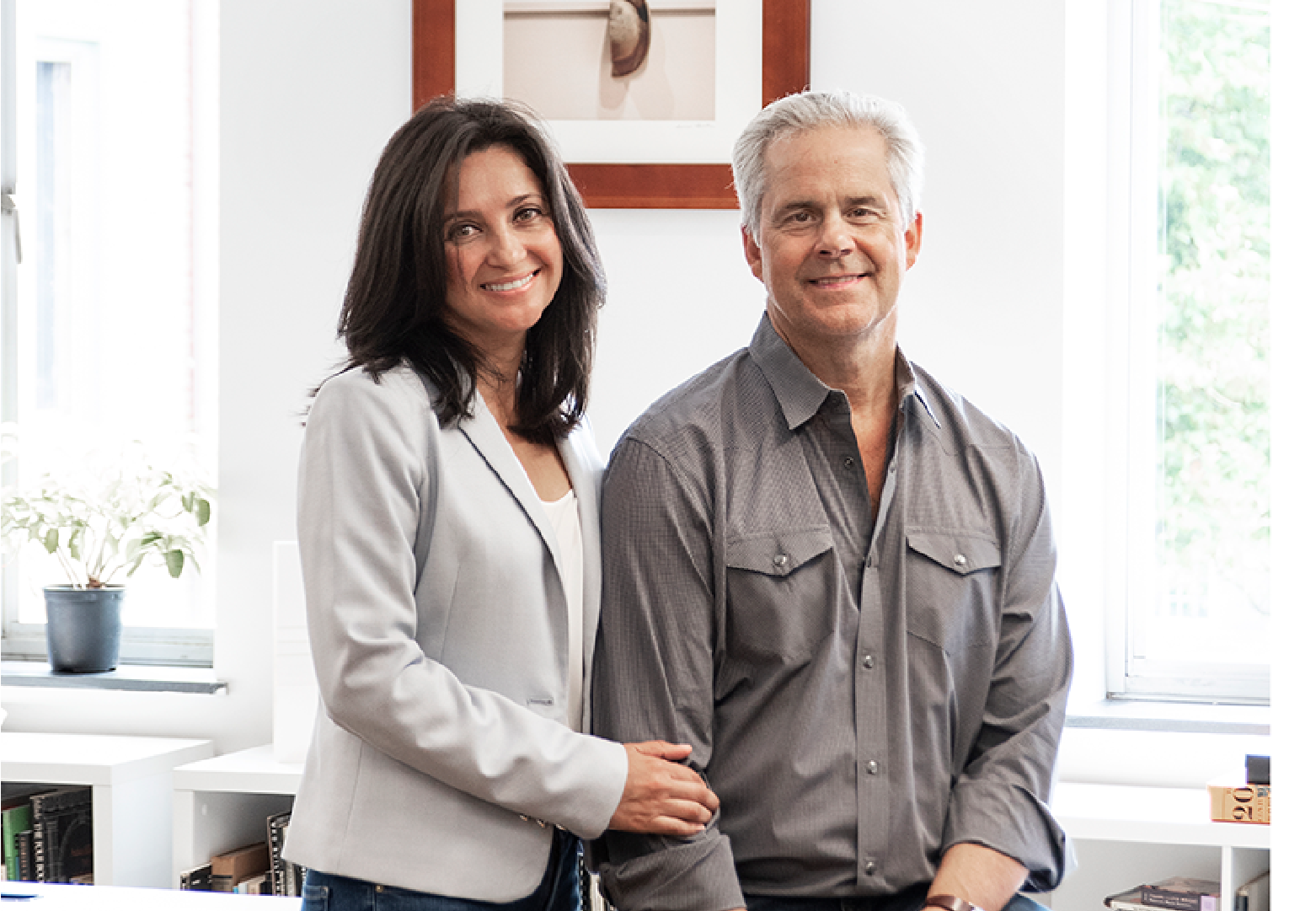
Ready to Build a Better, Smarter, Healthier Building?
Passive Architecture. Active Results.
At Wright Architects, we design architecture that performs—today, tomorrow, and decades from now. Whether you’re building from the ground up, transforming an existing structure, or investing in long-term energy savings, we bring the insight, credentials, and care to make it happen.
Our passive architecture process is hands-on, data-driven, and tailored entirely to your site, your needs, and your values.
Frequently Asked Questions
Q: What’s the difference between passive architecture and Passive House?
That means our clients enjoy:
- Lower energy bills
- Greater resilience to weather and outages
- Improved air quality and indoor health
- Quiet, comfortable spaces with consistent temperatures
Q: Is passive architecture more expensive?
Common investments include:
- High levels of continuous insulation and air barrier detailing
- Triple-pane, low-U-value windows
- Advanced HRV or ERV systems for balanced ventilation
- Thermal bridge-free construction and precision air sealing
- Detailed energy modeling and building simulations
- Up to 70–90% lower heating and cooling bills
- Downsized mechanical systems (smaller heat pumps, reduced ductwork)
- Access to NYSERDA, federal IRA tax credits, and local incentives
- Higher property value, lower maintenance, and superior durability
- Healthier living environments with excellent indoor air quality
We help our clients evaluate real-world payback periods and make strategic choices that align with their goals and budgets. In many cases, the upfront cost of passive strategies is recouped in under 10 years—with dividends for decades to follow.
Q: Can you apply passive strategies to existing homes?
Our deep energy retrofit approach includes:
- Blower door testing to locate and eliminate air leaks
- High-performance window and door replacement
- Strategic insulation upgrades (walls, roofs, foundations)
- Air sealing and thermal bridging mitigation
- Balanced ventilation systems (HRV/ERV) for fresh, filtered air
- Solar PV readiness and battery storage integration
These upgrades can cut energy use by more than 50%, while increasing comfort, reducing drafts, and improving indoor air quality. Whether your goal is modern performance in a historic shell or prepping a home for Net-Zero living, we tailor each retrofit to match your building, budget, and priorities.
Q: Do you work with Passive House–certified contractors?
We collaborate with teams that specialize in:
- Airtight construction and air barrier installation
- Thermal bridge-free detailing
- High-performance window and door systems
- Mechanical systems optimized for low-load buildings
- On-site HRV/ERV setup, balancing, and commissioning
- Blower door testing and energy performance validation
And we don’t just hand off the drawings—we remain actively involved throughout construction. That includes:
- Site visits to review critical assemblies
- RFI responses and coordination
- Quality assurance to maintain performance goals
- Final walkthroughs and post-occupancy support
Our role is to protect your vision—and your investment—from the first sketch to the final finish.
Q: Where do you offer passive architecture services?
📍 Ulster County — Kingston, Woodstock, Stone Ridge
-
📍 Dutchess County — Rhinebeck, Beacon, Millbrook
-
📍 Westchester County — Bedford, Chappaqua, Tarrytown
-
📍New York City — Manhattan, Brooklyn, Harlem, Queens
-
📍Select Projects by Invitation — The Berkshires, Litchfield County, coastal New England, and rural estates throughout the Northeast
Whether you’re building on a hilltop, a tight urban lot, or an open meadow, we bring the tools and team to design site-specific passive buildings that perform across all seasons and regions. Not sure if your property—or your vision—is a good fit for passive architecture? Let’s talk. We’re happy to explore what’s possible based on your location, timeline, and long-term goals.