Living Architecture Rooted in Place
When we design a home in the Hudson Valley, we begin with more than a set of drawings. We start with the land itself, its slopes, its views, its relationship to water, light, and seasons. Before pencil meets paper, we walk the site, observe how sunlight moves across the terrain, notice prevailing winds, and identify key features that should be preserved or highlighted. For us, architecture is not just about walls and roofs; it’s about creating spaces that respond gracefully to their setting and feel deeply connected to how you want to live.
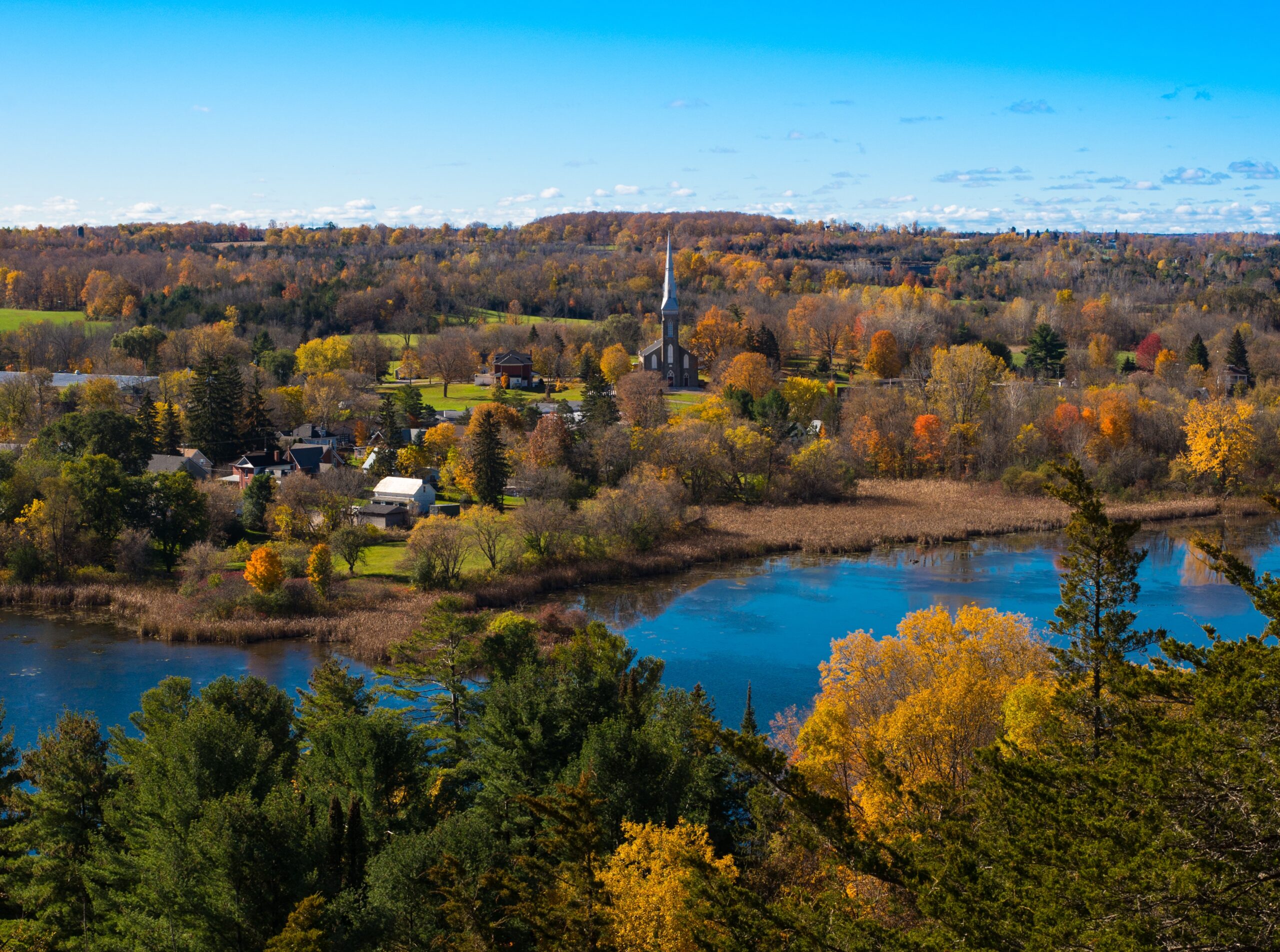
Every site in Ulster County and across the Hudson Valley tells a story. Some properties face the Catskill Mountains, others slope toward the Hudson River, and still others rest in the rolling farmland around Kingston. Some are wooded and intimate; others are wide open with dramatic views. We treat each location not as a blank canvas, but as a collaborator in the design process. Our job is to listen to those stories, and to design in a way that celebrates them.
That means paying attention to more than just the building footprint. It means considering how a home welcomes morning light into a bedroom, how a screened porch catches cool evening air, or how a kitchen opens toward a garden. It also means designing with foresight, thinking about how that home will perform through snow, heat, wind, and rain. These layers of sensitivity result in buildings that are both beautiful and highly livable.
That’s why we’ve made Hudson Valley residential architecture and custom home design services the heart of our practice. For us, this work is more than a profession, it’s a commitment to regional identity, ecological awareness, and design excellence rooted in place. We approach every project with a deep respect for the landscape, the community, and the clients we serve.
By combining local knowledge with innovative strategies, we create homes that feel right for the region. Whether that means using natural materials sourced from nearby suppliers, designing for passive solar performance, or protecting native vegetation, our approach ensures that each home is tailored not just to the client, but to the land itself.
And because sustainability matters, we align our work with resources such as the U.S. Department of Energy’s Green Building Guidelines, ensuring every design respects both people and place. These principles aren’t added in at the end, they’re integrated from the beginning, shaping everything from layout to material selection to long-term energy use.
Ultimately, this is what living architecture rooted in place means to us: homes that grow from their setting, reflect the lives within them, and stand the test of time, because they were designed to belong, from the very first step.

Why Seasonal Design Matters
Designing in the Hudson Valley means thinking ahead to four very different seasons. Winter brings deep cold and snow loads. Summer brings heat and humidity. Spring and fall arrive with sudden shifts, wet soil, and strong winds. These aren’t just passing weather conditions, they shape the daily experience of a home and the way it functions over time.
A home that ignores these cycles will always feel out of place. But a home that embraces them can actually work with the climate to create comfort and efficiency year-round. Seasonal awareness is not an afterthought, it’s an essential principle woven into every decision we make, from the first sketches to the final material selections.
In winter, we maximize passive solar gain with carefully placed windows and well-insulated walls, key principles of energy-efficient house plans. South-facing glazing captures low-angle sun, bringing warmth and light into the home naturally. Paired with air-tight construction and continuous insulation, this strategy reduces heating needs while enhancing indoor comfort during even the coldest months.
In summer, we design shading strategies, roof overhangs, pergolas, deciduous trees, that keep interiors cool. These passive techniques block high-angle sun when it’s most intense while preserving daylight and views. Combined with light-colored exterior finishes and low-solar-heat-gain windows, these elements dramatically reduce reliance on air conditioning, helping clients live more comfortably with less energy use.
In spring and fall, we use natural ventilation and cross breezes to reduce reliance on mechanical systems, drawing on sustainable approaches highlighted in ArchDaily’s sustainable design features. These transitional seasons are perfect for passive comfort strategies. By aligning window placements with prevailing breezes and creating open circulation paths, we enable homes to breathe, lowering energy bills while increasing the sensory experience of changing weather.
This kind of design thinking requires both precision and adaptability. Each site brings its own microclimate: a wind-prone hilltop, a shaded woodland lot, a river-adjacent meadow with early morning fog. Understanding these nuances allows us to fine-tune every aspect of a home’s interaction with the seasons, from thermal mass and insulation values to landscaping and envelope detailing.
This seasonal thinking is one of the reasons our clients trust us as a modern home architect Hudson Valley. Because we don’t just design for aesthetics, we design for life, as it actually unfolds in this region. That means cozy winters without over-reliance on heating, cool summers that don’t depend entirely on mechanical systems, and seamless transitions in spring and fall that keep the indoors connected to the world outside.
When your home is built to respond to the seasons, it doesn’t just perform better, it feels better. And that’s the kind of living architecture we believe in.
Site as Teacher: Listening Before Drawing
Before we put pen to paper, we spend time walking the site with our clients. Where does the morning light first hit? Which views should be framed from a bedroom window or living room? Where will snow drift in February, or rainwater collect during a spring storm?
We’ve learned that the land always has clues if you’re willing to listen.
- A steep hillside might suggest a walkout lower level.
- A flat meadow may call for a low, horizontal profile that sits lightly on the land.
- A rocky knoll might inspire a home that tucks into the terrain instead of leveling it.
These insights shape our approach to sustainable architecture in Kingston NY and throughout the Hudson Valley. By respecting what the site is already offering, we design homes that require fewer resources to build, heat, and cool.
Building with Sustainability in Mind
At Wright Architects, sustainability is not an add-on, it’s part of our DNA. Our team includes a PHIUS Certified Passive House Consultant and a Certified Passive House Tradesperson, which means we design with the highest standards of energy performance in mind.
Some of the strategies we often employ include:
- Super-insulated building envelopes that keep interiors warm in winter and cool in summer.
- High-performance windows that balance natural light with thermal comfort.
- Air sealing and heat recovery ventilation for healthy indoor air quality.
- Locally sourced, renewable materials that reduce embodied carbon.
We’ve seen firsthand how energy-efficient house plans not only reduce monthly utility costs but also create healthier living environments. Many of our clients are surprised at how much more comfortable a well-designed sustainable home feels compared to conventional construction.
For those interested in exploring the latest research, the U.S. Department of Energy’s Green Building Guidelines remain one of the most valuable resources available.
Lessons Learned from Local Projects
Over the years, we’ve designed homes across Ulster County that reflect both sustainability and a deep sense of place. Each site, each client, and each set of goals has taught us something, about design, construction, climate, and community. These lessons don’t just shape the project at hand, they inform every new home we create, enriching our process and sharpening our focus on what matters most in this region.
A passive retreat in Woodstock: Designed with triple-glazed windows, a high-performance envelope, and a compact footprint to maximize efficiency while framing mountain views. The wooded hillside presented steep grades and limited access, but by carefully siting the home into the slope, we protected existing trees and improved energy performance. This project emphasized how essential early planning and climate-responsive strategies are for success in off-grid or semi-rural conditions.
A farmhouse in Stone Ridge: Built with reclaimed timber and natural lime plaster, balancing modern systems with timeless local materials. Here, preserving the architectural language of the original structure was just as important as upgrading its performance. We worked closely with local tradespeople to source historically appropriate materials while integrating modern HVAC, insulation, and air-sealing systems that significantly improved year-round comfort. This home is a clear example of how sustainability and heritage can work in harmony.
A riverfront home near Kingston: Elevated above the floodplain, designed with resilient materials to withstand changing weather patterns. The proximity to the Hudson River brought unique regulatory, environmental, and engineering considerations. We collaborated with environmental consultants, structural engineers, and local code officials to meet FEMA guidelines, ensuring that the home would not only endure flood risks but also remain livable and energy-efficient despite variable weather. The project reaffirmed our belief that true resilience starts at the design level.
Each project taught us something new, about permitting, local contractors, seasonal soil conditions, or client needs. For example, we’ve learned which towns have expedited review processes, which types of soils require deep piers or specific drainage strategies, and which materials age most gracefully in our climate. Just as importantly, we’ve learned how to translate client lifestyles and values into design decisions that support comfort, efficiency, and long-term satisfaction.
These lessons become part of our process and make every new design richer. They help us anticipate potential challenges, streamline timelines, and make smarter recommendations, from siting and systems to finishes and floorplans. Ultimately, the accumulated knowledge from our work across the Hudson Valley strengthens every home we create.
It’s not just experience, it’s a living archive of insight that guides our ongoing commitment to sustainable, site-sensitive design in Ulster County and beyond.
Balancing Design-Build and Design-Bid-Build
One question we often explore with clients is whether to approach their project as Design-Build or Design-Bid-Build. Both models offer distinct advantages depending on the scope, budget, and priorities of the project, and understanding the difference is a key part of setting expectations and ensuring a smooth process from start to finish.
Design-Build brings architects, builders, and clients together from the start, streamlining timelines and improving collaboration. In this model, the entire team works under one contract, allowing for early alignment on goals, budget parameters, and construction feasibility. It reduces miscommunication between design and construction teams and often results in faster decision-making and fewer delays. For many clients, this integrated approach offers simplicity and peace of mind—particularly when the scope is well-defined and timelines are a priority.
Because everyone is involved early on, value engineering becomes a proactive part of the design process. Materials, systems, and construction methods can be evaluated in real time, helping to keep the project within budget without sacrificing design intent. We’ve seen firsthand how Design-Build can foster innovation, improve coordination, and strengthen trust between all parties involved.
Design-Bid-Build offers more flexibility in contractor selection but can extend schedules. In this more traditional process, we complete the full design and documentation first, and then the project is bid out to multiple contractors. This approach allows clients to compare pricing, select a builder based on fit and credentials, and maintain more control over the construction contract. It can be especially useful for clients who want a competitive bidding process or who already have preferred contractors in mind.
However, Design-Bid-Build often requires more time between design completion and construction start. Because the contractor isn’t involved early, there’s a greater chance that some aspects of the design may need to be revised to fit budget or construction realities discovered during the bidding phase. This can introduce additional coordination and potentially increase overall project duration.
We’ve worked successfully with both models, and our advice usually depends on the complexity of the project, the client’s budget, and their comfort level with risk and decision-making. Simpler projects with tight timelines may benefit from the cohesion of Design-Build, while more complex or cost-sensitive projects might call for the flexibility and comparative structure of Design-Bid-Build.
Regardless of the path, we provide guidance every step of the way, helping clients weigh the pros and cons, understand their responsibilities, and choose the delivery method that best fits their needs. Because at the end of the day, the right process is the one that supports your goals, respects your constraints, and makes the experience of building your home as rewarding as the result.
Modern Living, Hudson Valley Style
Designing in the Hudson Valley doesn’t mean replicating the past. Many of our clients are interested in clean lines, open plans, and natural light. As a modern home architect Hudson Valley families trust, we often blend contemporary design with traditional materials to create homes that feel both forward-looking and timeless.
Whether it’s a passive house tucked into the woods or a modern glass addition to a historic farmhouse, our goal is always the same: to design spaces that feel right for how you want to live, today and in the future.
For more inspiration, resources like ArchDaily’s sustainable design features showcase global ideas that we adapt for our local context.
Regional Trends and Opportunities
The Hudson Valley real estate market continues to attract homeowners seeking natural beauty, sustainability, and space. More than ever, people are looking to leave behind dense urban environments in favor of places where they can feel more connected, to nature, to community, and to a slower, more intentional pace of life. This shift is not just anecdotal, it’s a consistent pattern across the region.
According to Hudson Valley Magazine’s real estate trends, demand for custom homes remains strong, particularly in Ulster and Dutchess counties. Buyers are increasingly prioritizing land and lifestyle over square footage, and they’re willing to invest in homes that reflect their personal values. Whether they’re relocating full-time or building a second home, today’s clients want more than just shelter, they want meaningful, high-performing spaces tailored to the rhythms of life in the Hudson Valley.
We’ve seen this firsthand in the calls we get from clients who want homes that reflect their values, whether that means energy efficiency, flexible living spaces, or low-maintenance materials. For some, it’s about building a net-zero retreat with cutting-edge systems. For others, it’s about creating a multi-generational layout that adapts as family needs change. In all cases, the common denominator is intentionality, homes that are responsive, personal, and built for longevity.
Designing with the seasons and with the land is no longer a niche idea; it’s quickly becoming the standard. Builders, architects, and clients alike are embracing climate-resilient design, natural materials, and locally sourced solutions. It’s not just about trend, it’s about relevance. As weather becomes more unpredictable and resources more precious, homes that can adapt to local conditions are gaining value, both financially and functionally.
These trends present incredible opportunities for thoughtful design. With large parcels, unique topography, and a tradition of craftsmanship, the Hudson Valley is perfectly positioned for architecture that blends innovation with regional identity. And for homeowners who want more than just a house, who want a home that belongs, this region offers the perfect canvas.
What It Means to Work With Us
Every project is a collaboration. From our first conversation to the final walk-through, we see each home as a shared endeavor, one where your goals, values, and vision take center stage. We take the time to listen deeply, ask thoughtful questions, and ensure that every design decision is grounded in your needs and aspirations.
We listen to your goals, study your site, and bring decades of local experience to the table. That means more than just understanding the topography or reviewing a zoning map. It means knowing how the light hits your future porch in the late afternoon, how water drains after a heavy spring rain, and how to balance mountain views with privacy and comfort. It means tapping into our hands-on knowledge of building codes, local materials, regional weather patterns, and the trusted network of professionals we’ve built across the Hudson Valley.
We’re honest about timelines, transparent about costs, and committed to designs that respect both your budget and the land itself. This transparency isn’t just a policy, it’s a philosophy. We keep you informed at every stage, offering clear guidance around scope, phasing, and pricing, so there are no surprises. Our goal is to align ambition with practicality, ensuring that your dream home doesn’t just look beautiful, it gets built, and it gets built right.
Our process is rooted in trust, creativity, and sustainability. We approach each project with a sense of curiosity and care, drawing on a range of tools, from hand sketches to energy models, to explore the best possible outcomes. Creativity isn’t about flashy concepts or trendy materials, it’s about solving complex problems in elegant, efficient, and enduring ways.
We don’t believe in cookie-cutter plans. Instead, we work with you to craft a home that reflects your lifestyle, embraces the Hudson Valley’s beauty, and stands the test of time. Every detail, from siting and orientation to materials and finishes, is shaped by your story and the land you’ve chosen. Our designs don’t follow formulas, they emerge from place, purpose, and personality.
To work with us is to enter a process defined by respect: for you, your investment, your time, and the environment we’re building within. That’s the foundation of our practice, and the reason so many of our clients return, refer, and stay in touch long after the last nail is driven.
Let’s Start the Conversation
Thinking about your own project? Let’s talk. Whether you’re still exploring possibilities or ready to dive into design, we’re here to help you navigate the journey. We know that building a home is a big step, and it starts with a conversation grounded in trust, curiosity, and shared vision.
Have a site you’re considering? We’d love to see it. Walking the land is one of the most important steps in our process. It gives us a chance to understand the topography, orientation, and natural assets firsthand, whether it’s a wooded hillside, an open field, or a riverfront parcel. Every site tells a story, and that story becomes the foundation of our design approach.
Reach out to us if you’re ready to explore what’s possible on your land. We’ll help you evaluate its potential, discuss your goals, and outline a design process that’s as clear as it is inspiring. From zoning research to creative visioning, we’re ready to guide you toward a home that’s built with care, intention, and regional insight.
Together, we can design a home that honors the seasons, celebrates the Hudson Valley, and feels just right for the way you want to live. Let’s build something enduring, something rooted in place and shaped by purpose. Your next chapter starts here.