Homes That Belong to Their Place
When we design a home, our goal is never just to create a structure, it’s to create a place that feels like it truly belongs. In the Hudson Valley, that means listening to the land, responding to the climate, and understanding the rhythms of life in this region. The landscape here tells a story, and through thoughtful, responsive design, we aim to reflect that story in every line, material, and space.
Every time we begin a project, we ask: how can this home feel rooted here? That’s the essence of Hudson Valley residential architecture, and why working with an architect who knows the area deeply makes all the difference. From site selection to spatial layout, and from energy systems to material choices, every decision is guided by our commitment to honoring the local context. Hudson Valley residential architecture isn’t about imposing a vision, it’s about collaborating with the environment and the people who will live there.
We’ve seen the impact of this approach firsthand. Homes designed with local context in mind aren’t only more beautiful, they’re more comfortable, more resilient, and more in tune with the way our clients want to live. These homes naturally adapt to seasonal changes, take advantage of views and daylight, and use natural materials that age gracefully within the landscape. They feel timeless because they were never designed to stand apart, they were designed to belong.
And while some trends come and go, the truth is clear: when design grows out of place, it lasts. That’s why we believe regionally rooted design isn’t just good architecture, it’s the future. It supports sustainability, fosters a deep sense of connection, and ultimately leads to homes that feel more like home. This is the foundation of everything we do: creating homes that belong to their place.
Why Regional Context Shapes Better Homes
Every region has its challenges and opportunities. Here in the Hudson Valley, we design with four distinct seasons, unique terrain, and a vibrant history of building traditions. These local conditions are not obstacles—they’re invitations to think more carefully and creatively about how a home should live and breathe throughout the year.
Winters bring heavy snow and cold winds, requiring careful consideration of insulation and heating. Roofs must be designed to shed snow safely, windows must be selected for thermal performance, and building envelopes must be airtight while still allowing for healthy air exchange. These details aren’t optional, they’re critical to comfort, efficiency, and durability.
Summers can be hot and humid, making shading and ventilation essential. We incorporate deep overhangs, operable windows, screened porches, and landscape elements that help homes stay cool naturally. Good design takes advantage of prevailing breezes, minimizes solar heat gain, and reduces the need for mechanical cooling, keeping energy use low while enhancing comfort.
Spring rains affect soil conditions, drainage, and planting strategies. That’s why we integrate water-smart design from the start, including permeable hardscaping, strategic grading, and foundation detailing that handles groundwater responsibly. Landscaping isn’t an afterthought, it’s part of how a home performs and endures in the Hudson Valley.
Fall brings dramatic shifts in temperature, testing a home’s envelope and comfort levels. A regionally informed design takes this into account through continuous insulation, dynamic ventilation strategies, and flexible indoor-outdoor living spaces that adapt to seasonal transitions with ease.
When we design locally, we consider all of this from the start. For us, regionally rooted design means:
- Using materials that perform well in our climate and are often sourced locally. This supports the local economy while reducing embodied carbon and improving building longevity.
- Orienting homes for passive solar gain in winter and natural shading in summer. With careful siting and window placement, we can dramatically improve a home’s performance year-round.
- Designing foundations that respect rocky terrain or sensitive wetlands. Whether we’re working with steep slopes, shallow soils, or ecologically sensitive areas, we create solutions that are both functional and respectful of the land.
- Creating layouts that capture mountain views while staying efficient. It’s not just about the view, it’s about how the home lives. Smart planning brings light, landscape, and lifestyle into harmony.
This is what makes custom home design services so personal and effective in our region. The more we respond to place, the more each home becomes a true expression of how our clients want to live, season by season, year after year.
Learning from the Land: Real Project Lessons
No two sites in the Hudson Valley are the same. We’ve designed on wooded ridges, riverfront parcels, farmland meadows, and historic town lots. Each setting demands a different approach, shaped not only by the land but by the stories it holds and the way people want to live within it. This diversity is what makes designing here both challenging and deeply rewarding.
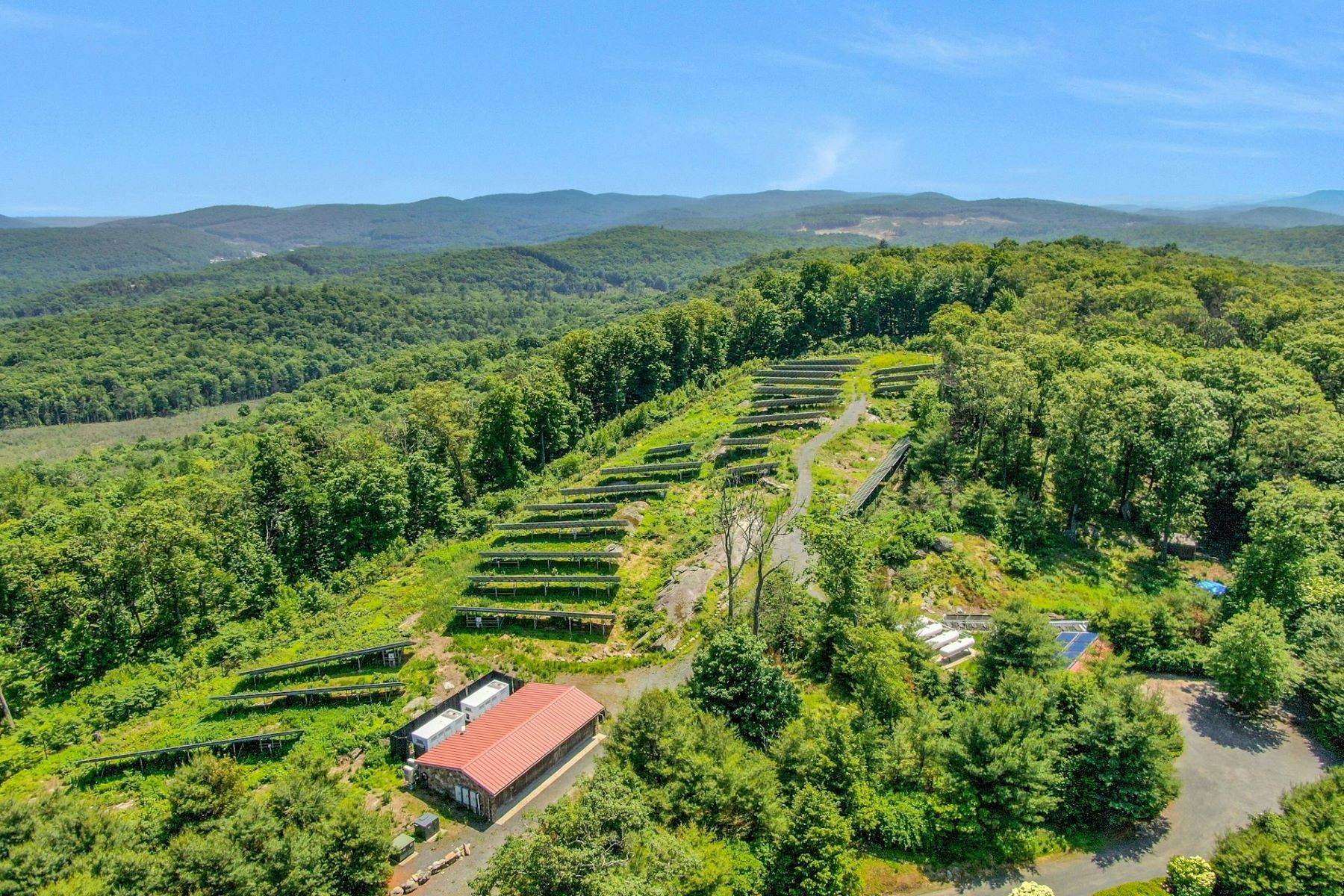
In Woodstock, we designed a passive home tucked into a slope to shield it from winter winds while framing the Catskills. The steep site required sensitive grading and a stepped foundation, but the reward was a home that feels embraced by the earth, warm in winter, cool in summer, and perfectly oriented to capture the shifting mountain light. The building envelope and glazing strategies were tailored for high performance, while local materials helped the structure blend naturally into the forested surroundings.
Near Stone Ridge, we worked on a farmhouse renovation that blended reclaimed timber with modern insulation, keeping its historic charm while upgrading efficiency. The original structure told a story of early rural life, and rather than erasing that narrative, we chose to build upon it. We preserved the existing proportions, exposed beams, and classic farmhouse character, while seamlessly integrating advanced insulation, air sealing, and mechanical systems. This marriage of past and present is a hallmark of how we approach design in the Hudson Valley, always honoring what came before while preparing for what’s ahead.
Along the Hudson River, we raised a home above the floodplain, using durable materials that protect against increasingly variable weather. With changing climate conditions and a rising risk of storms, we had to think beyond aesthetics. The structure was elevated using a pier foundation to meet FEMA standards, while the design incorporated water-resistant siding, impact-rated windows, and strategic landscaping to manage stormwater. The result is a resilient riverfront retreat that’s as safe as it is serene.
These experiences taught us that sustainable architecture in Kingston NY requires both creativity and respect, for nature, for history, and for the people who will live in these spaces. No design is ever “one size fits all” here. Instead, every home is an opportunity to learn from the land itself: its contours, its challenges, and its unique potential. And when we listen carefully, the land often tells us exactly what to do.
From quiet woods to bustling village streets, from flood-prone riverbanks to rocky hilltops, our design process always begins the same way, with open eyes, open minds, and a deep commitment to place. Because the more we learn from the land, the more meaningful and enduring our architecture becomes.
Why Local Knowledge Matters
Clients sometimes ask us what makes working with a Hudson Valley–based architect different. The answer is simple: we know the region. But more than that, we live it. Designing homes here isn’t about abstract principles or one-size-fits-all solutions, it’s about deep, lived-in knowledge of the land, the codes, the climate, and the character that define this place.
We’ve navigated permitting processes in towns across Ulster County. From Woodstock to New Paltz to Kingston, each municipality brings its own zoning regulations, review boards, and documentation requirements. Over the years, we’ve built strong relationships with local officials, learned the intricacies of building codes, and developed a smooth process for obtaining approvals. That means fewer surprises, faster timelines, and smarter design choices aligned with what’s feasible and allowed.
We understand soil conditions that shift from rocky ledges to soft clay. That’s a big deal in residential construction. Rocky ledges can complicate excavation, while soft clay impacts drainage and structural stability. Because we know how to read these conditions, and because we often work with trusted local engineers and contractors, we can plan proactively, avoiding costly redesigns or construction delays.
We know where snow will drift, where water will gather, and where trees will shade just enough. These small details are the difference between a home that just looks good and one that performs beautifully, season after season. Knowing how wind moves across a hilltop, or how shade will fall in midsummer, allows us to design smarter orientations, better window placements, and landscaping that complements the architecture rather than competing with it.
That kind of local expertise doesn’t come from a book. It comes from years of walking sites, studying terrain, and solving problems on the ground. It comes from understanding how this land behaves through freeze-thaw cycles, wet springs, and dry Augusts. It comes from seeing firsthand what works, and what doesn’t, across countless project types and property conditions.
It’s why when you invest in energy-efficient house plans with us, you can trust that they’re not just theoretical, they’re tailored to your land. They reflect the climate, the challenges, and the unique beauty of your site. They incorporate passive strategies that actually make sense here, systems that are proven to perform, and layouts that elevate both efficiency and lifestyle.
When it comes to custom home design, local knowledge isn’t just helpful, it’s essential. And it’s the foundation of every successful project we create in the Hudson Valley.
Green Building: A Natural Fit for Local Design
We believe sustainability and regional design go hand in hand. In the Hudson Valley, green building isn’t a luxury, it’s practical. With our distinct climate, abundant natural resources, and strong community values, building green just makes sense. It aligns with how people want to live here: close to nature, mindful of energy use, and committed to long-term value and resilience.
Our team includes a PHIUS Certified Passive House Consultant and a Certified Passive House Tradesperson, which means we bring deep expertise in performance-driven design. We don’t just follow sustainable design trends, we apply rigorous, science-backed strategies to every project, adapted to the unique conditions of our region.
That translates into:
- Super-insulated envelopes that perform through every season. In the Hudson Valley, we design homes that stay warm during subzero winters and cool during sweltering summers, using layers of continuous insulation, high-performance wall assemblies, and careful detailing at every joint.
- Triple-glazed windows that balance natural light with thermal comfort. These aren’t just about saving energy, they create a more enjoyable indoor environment. With strategic placement, they frame views, reduce heat loss, and minimize glare, all while enhancing the building’s energy performance.
- Heat recovery ventilation for healthy indoor air. Airtight homes require intentional ventilation, and HRV systems ensure a steady supply of fresh air without sacrificing efficiency. They filter out pollutants, control humidity, and maintain ideal air quality, even when windows are closed in winter or allergy season.
- Renewable, locally sourced materials that reduce environmental impact. From FSC-certified wood milled in upstate New York to recycled content finishes and non-toxic adhesives, we prioritize materials that are low-impact, durable, and regionally available. These choices support local economies while reducing embodied carbon.
We often reference the U.S. Department of Energy’s Green Building Guidelines to help clients understand the broader benefits. These standards offer clear metrics and best practices for everything from energy use to water conservation to indoor air quality. They give us a national framework, but what matters most is how these principles work right here, in our region.
That’s where our local expertise comes in. We apply national green standards through the lens of Hudson Valley conditions, its microclimates, vegetation, solar access, and regional construction practices. We design for real performance, not just certification. And we help our clients make smart choices that reflect both their values and their day-to-day comfort.
Green building isn’t an add-on. It’s part of how we design from the ground up. Whether we’re creating net-zero homes, high-performance cabins, or historically sensitive renovations, sustainability is always at the core, because in this region, it’s not just responsible. It’s right.
Balancing Tradition and Modernity
Designing in the Hudson Valley often means weaving together old and new. We love restoring historic homes while adding modern spaces that meet today’s needs.
For one family in Kingston, we designed a glass addition to a 19th-century home, bringing in natural light while respecting its historic character. For another client, we retrofitted a barn with insulation, radiant floors, and new systems, transforming it into a comfortable, efficient residence.
That’s what being a modern home architect Hudson Valley means, finding harmony between tradition and innovation.

Process Matters: Design-Build vs. Design-Bid-Build
Every home starts with a vision, but how that vision comes to life depends on the process behind it. That’s why we believe it’s essential to understand your options when it comes to how your project is delivered. Over the years, we’ve worked with both Design-Build and Design-Bid-Build processes, and each has its strengths. The key is choosing the model that best supports your goals, budget, timeline, and expectations.
Design-Build: Architects and builders collaborate from the start. This often streamlines timelines and ensures smoother communication. In this model, the architect and contractor form a single team, working in sync from day one. There’s one contract, one point of accountability, and a more integrated workflow. For many of our clients, Design-Build offers peace of mind, it can reduce miscommunication, allow for faster decisions, and create opportunities for value engineering throughout the design process.
When using a Design-Build approach, we’re able to align budget goals with design intent more efficiently. Construction feedback is available early, so adjustments can be made before drawings are finalized. It’s ideal for clients who prioritize efficiency, speed, and close collaboration with a unified team.
Design-Bid-Build: Plans are developed first, then multiple contractors bid on the work. This can offer more options but may take longer. In this more traditional approach, the architectural design is completed independently, and then the project is put out to bid. Competitive pricing can sometimes result in lower initial costs, and clients have the opportunity to compare contractors based on proposals and reputation.
However, Design-Bid-Build can also introduce more complexity. The bidding process itself takes time, and without early contractor input, the design may need revisions if pricing or constructability issues arise. Communication tends to be more segmented, requiring careful coordination between architect, client, and builder.
For clients, the best choice depends on priorities. Do you value speed and a cohesive team dynamic? Design-Build may be the answer. Do you want to compare multiple contractors or retain more control over construction decisions? Then Design-Bid-Build could be a better fit.
We’re transparent about the pros and cons of each model, and we help guide you toward the approach that aligns with your goals. Because at the end of the day, your home isn’t just about how it looks, it’s about how it’s brought to life. And choosing the right process is one of the most important decisions you’ll make.
We’re here to support that decision with clarity, experience, and honesty, because process matters just as much as design.
Local Trends in Custom Homes
The demand for sustainable, regionally inspired design continues to grow. According to Hudson Valley Magazine’s real estate trends, buyers and builders are increasingly looking for homes that prioritize efficiency, comfort, and authenticity.
We’ve seen the same shift in our practice. Clients want spaces that feel personal but also future-ready. That means flexible layouts, energy savings, and designs that reflect the Hudson Valley landscape.
Why Trust Matters Most
Architecture is about more than design, it’s about trust. A home is one of the most personal and meaningful investments a person can make, and the process of creating it requires more than technical skill. It requires a strong, collaborative relationship built on mutual respect, open communication, and shared vision. That’s why trust isn’t just part of what we do, it’s the foundation of everything we do.
We take pride in being honest about budgets, realistic about timelines, and transparent about challenges. Designing and building a home is never without its complexities, but we believe that clear communication and upfront expectations help turn those complexities into opportunities for creative problem-solving. Our role isn’t just to deliver beautiful architecture, it’s to be a steady guide through the entire process, from the first conversation to the final walkthrough.
When you work with us, you’re not just getting a set of drawings. You’re entering a collaborative process where your goals guide every step. We listen deeply to what matters to you, how you live, what you value, and what kind of experience you want from your home. Then we bring our expertise to shape a design that reflects your vision while honoring the realities of site, budget, and schedule.
We’ve built long-term relationships with clients because we prioritize clarity, respect, and integrity. That means no hidden costs, no vague promises, and no unrealistic expectations. Just thoughtful guidance, responsive communication, and a commitment to delivering not only what we promise, but more.
That’s why so many of our projects come from referrals, because people trust us to listen and deliver. And in a field where reputation is everything, we’re proud to have earned the trust of so many homeowners across the Hudson Valley.
In the end, it’s not just about the homes we design, it’s about the relationships we build along the way. Because the most successful projects don’t just result in beautiful buildings, they result in lasting trust, and in the kind of collaboration that makes the entire process meaningful.
Building Homes That Truly Belong
For us, regionally rooted design isn’t just good practice, it’s essential. By working with the land, honoring the seasons, and drawing from local traditions, we create homes that are more comfortable, efficient, and enduring.
That’s what living local means. And it’s why investing in architecture grounded in the Hudson Valley will always result in a home that feels just right for you.
Let’s Start the Conversation
Thinking about your own project? Let’s talk.
Have a site you’re considering? We’d love to see it.
Reach out to us if you’re ready to explore what’s possible on your land. Together, we can design a home that belongs, to you, to your family, and to the Hudson Valley.