A Vision Beyond Today
When we talk about architecture in the Hudson Valley, we’re not just designing for the present moment. We’re creating homes that will last for generations, spaces that respond to the land, adapt to the seasons, and use resources wisely. More and more, our clients are realizing that green building isn’t a passing trend, it’s the future of how we live.
At Wright Architects, sustainability is woven into everything we do. Whether it’s a passive weekend retreat, a modern addition, or a historic restoration, we approach each project with the same belief: a home should be comfortable, beautiful, and environmentally responsible. That’s the heart of Hudson Valley residential architecture and why our practice continues to focus on custom home design services rooted in sustainability.
Our design philosophy blends timeless craftsmanship with forward-thinking strategy. We align our process with resources like the U.S. Department of Energy’s Green Building Guidelines, not because they’re fashionable, but because they reflect a reality: efficient, healthy, low-impact homes are here to stay. Every detail, from the orientation of a structure to its insulation and material sourcing, is part of a bigger commitment to building smarter, not just bigger.
This mindset allows us to design homes that reflect the unique spirit of the Hudson Valley, structures that harmonize with their surroundings, offer exceptional energy performance, and support the well-being of those who live in them. It’s a vision beyond today, one that’s rooted in integrity, functionality, and the enduring value of sustainable design.
Why Green Building Matters in the Hudson Valley
The Hudson Valley is unique. We design in a region of four distinct seasons, dramatic landscapes, and sensitive ecosystems. Winters bring heavy snow, summers bring high humidity, and fall and spring can change in an instant. These natural conditions push us to think beyond short-term solutions.
Green building means designing for durability, efficiency, and comfort. But more than that, it means understanding and respecting the place we build in, embracing the rhythms of nature rather than working against them. In the Hudson Valley, green building isn’t just a preference, it’s a necessity.
In practice, this looks like:
- Homes that harness passive solar heat in the winter and natural shading in the summer, reducing reliance on artificial systems and keeping energy use low year-round.
- Walls and windows that keep interiors cozy without relying on oversized mechanical systems, balancing thermal performance with architectural integrity.
- Materials sourced locally, reducing transport costs, lowering the carbon footprint, and supporting regional builders who understand the local climate and construction context.
- Flexible layouts that adapt as families grow and lifestyles change, ensuring longevity and continued usefulness through every life stage.
These strategies are not theoretical, they’re solutions we implement every day. We’ve seen firsthand how a thoughtful, sustainable approach reduces energy bills, improves air quality, and creates homes that simply feel better to live in.
It’s not about sacrificing style or convenience. In fact, the opposite is true. The best green homes elevate comfort, wellness, and beauty while protecting natural resources. For us, these are not add-ons, they are essential parts of sustainable architecture in Kingston NY and beyond. They define our values, guide our process, and shape the future of how we design in this remarkable region.
Our Experience: Learning from the Land
Over the years, we’ve worked with homeowners and builders throughout Ulster County and the Hudson Valley who want their homes to do more than just look good. They want performance. They want resilience. They want comfort year-round. And they want homes that respect the land they’re built on.
Our experience designing in this region has taught us that no two sites are the same, and that’s what makes our work so rewarding. Every slope, tree line, soil type, and view becomes an integral part of the architectural solution. We listen closely to the land, understanding its challenges and opportunities before putting pencil to paper.
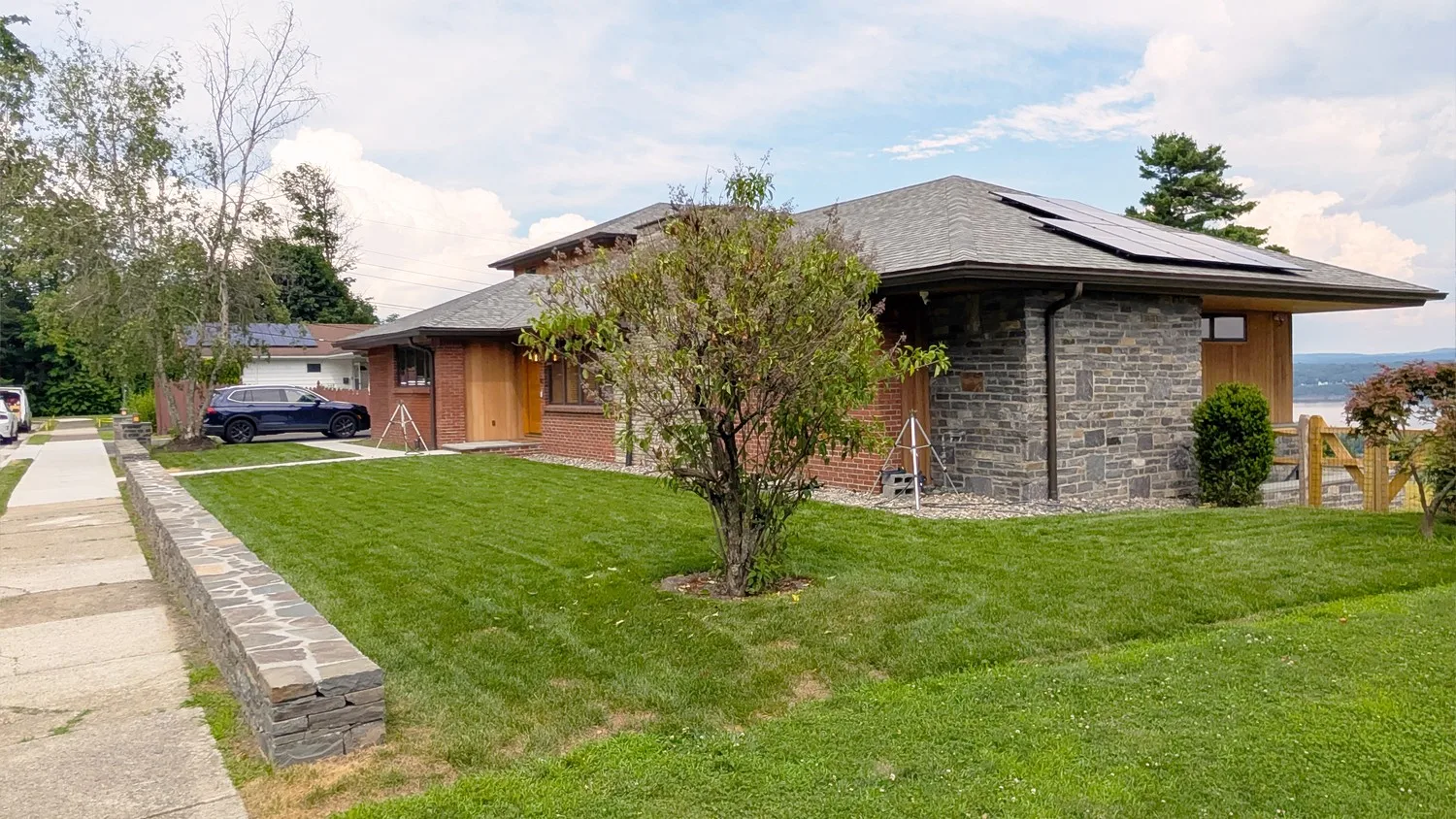
One recent project near Woodstock challenged us to balance stunning mountain views with extreme winter winds. By angling the house into the hillside, using super-insulated walls, and installing high-performance glazing, we achieved panoramic views without sacrificing efficiency or comfort. The result is a home that feels open to nature while staying warm and protected through the harshest months.
Another project in Stone Ridge involved restoring an old farmhouse with modern systems. By reusing reclaimed wood, upgrading insulation, and designing a new mechanical system with heat recovery ventilation, we honored the home’s character while bringing it into the future. This approach not only preserved the structure’s story, but also significantly improved indoor air quality and energy performance.
We’ve worked on wooded lots, steep hillsides, wetlands, and exposed ridgelines, each presenting unique design constraints. From navigating complex zoning and permitting processes to managing water flow, wind exposure, and solar orientation, every factor plays a role in shaping a successful outcome.
Each site teaches us something new, about soil, terrain, permitting, or microclimate. Those lessons guide every design decision, helping us create energy-efficient house plans that are rooted in real Hudson Valley conditions. It’s this commitment to learning from the land that allows us to build homes that truly belong, homes that perform, endure, and inspire.
Beyond Trends: Passive House and Performance
Some of the strongest standards in green building come from Passive House design, an approach that prioritizes energy performance, indoor comfort, and resilience from the ground up. It’s not about following trends; it’s about committing to proven methods that deliver measurable results.
As a team with both a PHIUS Certified Passive House Consultant and a Certified Passive House Tradesperson, we understand how to implement strategies that dramatically reduce energy use without compromising aesthetics or livability. Passive House principles are rigorous, but they’re not theoretical, they’re practical, scalable, and perfectly suited to the climate demands of the Hudson Valley.
Here’s what that looks like in action:
- Airtight envelopes that prevent heat loss and drafts, ensuring stable indoor temperatures no matter the weather outside.
- Triple-glazed windows that balance natural light with high insulation values, optimizing solar gain in winter while blocking excessive heat in summer.
- Heat recovery ventilation systems that deliver fresh, filtered air throughout the home without letting conditioned air escape, supporting healthier indoor environments.
- Thermal-bridge-free construction that keeps interior surfaces warm, minimizes cold spots, and eliminates areas prone to condensation or mold.
These are not futuristic concepts, they’re practices we’ve used on homes right here in the Hudson Valley. We’ve seen how they elevate everyday living, creating homes that are quiet, draft-free, and remarkably consistent in temperature throughout the year.
The performance speaks for itself: houses that require 80–90% less energy for heating and cooling compared to standard homes. And once you live in one, the comfort difference is undeniable. No cold floors in winter. No sweltering heat upstairs in summer. Just a consistent, comfortable, and breathable interior that supports health, well-being, and energy independence.
Our Passive House experience doesn’t exist in a vacuum, it informs all our projects, from new builds to renovations. Whether a client wants full certification or simply wants to adopt select high-performance strategies, we tailor the solution to meet their goals. In every case, our aim is the same: to build smarter, healthier homes that stand the test of time.
Balancing Old and New
Not every project is a blank slate. Many clients come to us with historic homes, structures full of character, craftsmanship, and stories. They don’t want to erase the past; they want to build upon it. In these cases, green building takes on a different, but equally important meaning: honoring the old while thoughtfully integrating the new.
We approach these projects with deep respect for the original architecture, materials, and setting, while also recognizing that today’s homes need to perform to modern standards of energy efficiency, comfort, and functionality. It’s a balancing act that requires creativity, sensitivity, and technical precision.
For example, we’ve designed additions that use glass and steel to contrast with original stonework, creating a dialogue between eras rather than a replica of the past. These transparent, lightweight materials allow the existing structure to remain visually dominant while opening up interiors to light, air, and views.
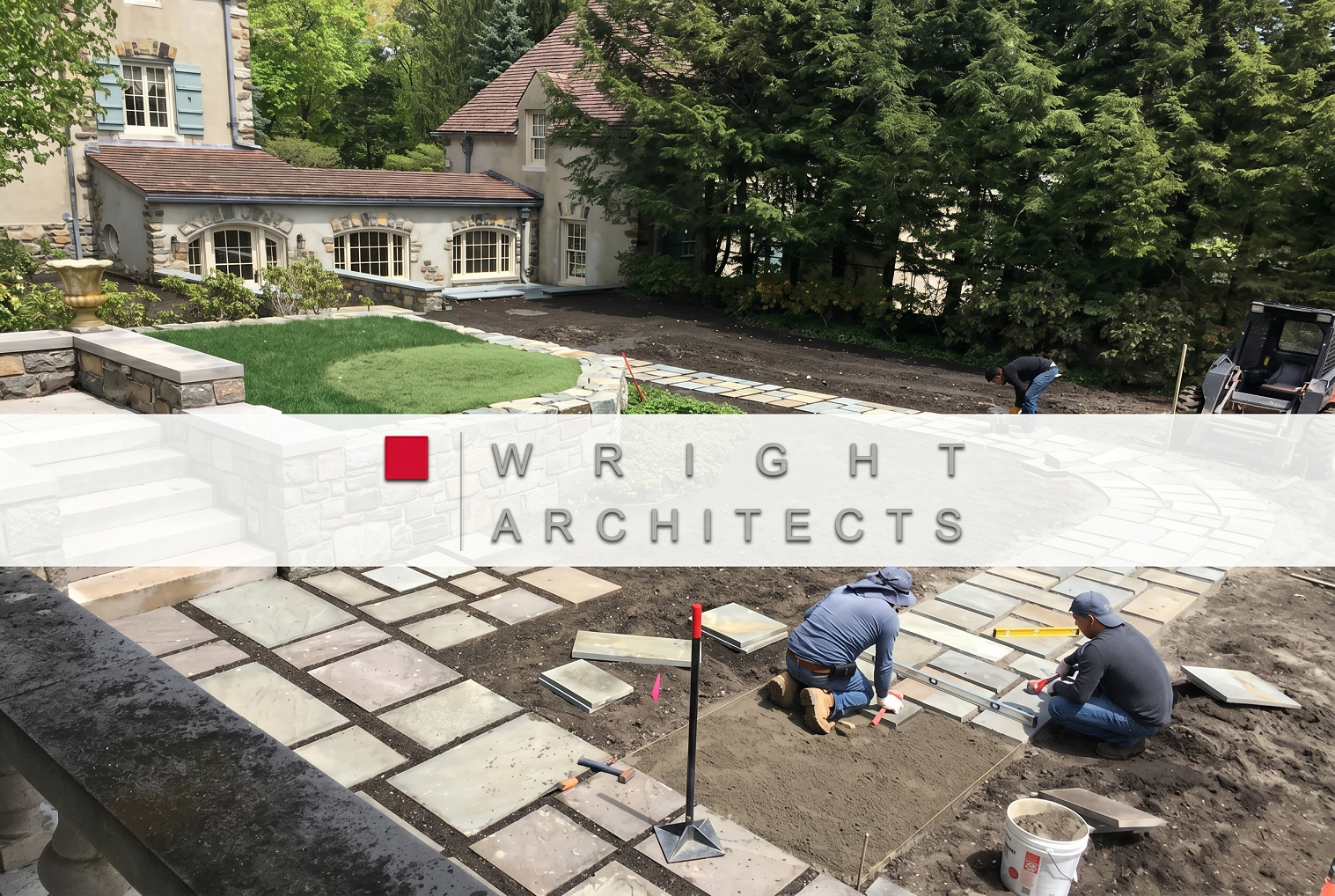
In another project, we retrofitted a barn from the 1800s, keeping the timber frame and exterior character intact, while introducing modern insulation, advanced windows, and discreetly integrated mechanical systems. The result was a home that felt authentically rustic but performed like a contemporary high-efficiency residence.
This blend of tradition and innovation is part of what makes modern home architect Hudson Valley design so rewarding. We’re not just preserving buildings, we’re extending their life, enhancing their usability, and preparing them for future generations. Each intervention is tailored, whether it’s a subtle restoration or a bold juxtaposition, and always grounded in the principles of sustainable design.
By carefully merging the timeless and the contemporary, we help our clients live in spaces that reflect both their heritage and their vision. It’s an approach that’s rooted in place, shaped by history, and inspired by possibility.
The Economics of Green Design
We often hear the question: “Isn’t green building more expensive?” It’s a fair concern, and one we take seriously. The truth is, up-front costs can sometimes be higher, especially when working with high-performance materials, systems, and detailing. But the long-term value is undeniable, and measurable.
We encourage our clients to look at the full lifecycle of their home: the energy it consumes, the maintenance it requires, and the quality of life it provides. When you factor in these elements, green design doesn’t just make sense, it makes financial sense.
Consider this:
- Energy savings often pay back initial investments within a decade, sometimes even sooner. With rising utility rates and climate variability, homes that require less energy to heat, cool, and power are a smart hedge against future costs.
- Resilient materials lower maintenance and replacement costs over time. Durable roofing, advanced windows, long-lasting finishes, and moisture-resistant systems all reduce the need for constant repairs. These aren’t luxury upgrades, they’re cost-saving decisions.
- Healthier air and natural light improve well-being, which is hard to put a price on. We’ve worked with families who have seen improvements in allergies, sleep, and even mood after moving into a healthier, well-ventilated space filled with daylight.
Clients who once hesitated about budgets have later told us they couldn’t imagine living in anything else. The comfort, quiet, and quality of life are worth it. When your home works with the environment instead of against it, the rewards extend far beyond utility bills, they show up in how you feel every day.
We also help clients take advantage of available rebates, tax incentives, and energy-efficiency programs, which can further offset upfront costs. The Hudson Valley and New York State have made meaningful strides in supporting sustainable construction, and we stay up to date on every opportunity available.
Ultimately, green design is an investment, in your home, your health, and your future. And like any smart investment, it pays dividends for years to come.
Local Trends: A Growing Demand
Green building is no longer the exception, it’s becoming the expectation. According to Hudson Valley Magazine’s real estate trends, today’s homebuyers are more informed, more selective, and more committed to sustainability than ever before. Buyers and developers alike are prioritizing energy efficiency, low-impact materials, and resilient design in both new builds and renovations.
We’ve noticed this shift in our own conversations. Clients are asking about energy performance, renewable materials, and healthy indoor air from the very first meeting, not as a bonus, but as a baseline. They’re no longer satisfied with good-looking homes that don’t perform. They want spaces that reflect their values, reduce their environmental impact, and support their long-term wellness.
For builders and real estate professionals, this means one thing: sustainable design is not optional anymore, it’s the baseline. The market is changing fast, and those who adapt will be best positioned to meet growing demand. Homes that check the boxes for green certification, efficient systems, and environmental stewardship are commanding attention, and often higher value, because they offer more than just square footage. They offer peace of mind.
From zoning boards to financial institutions, we’re also seeing increased support for sustainability in the development process. Municipalities are streamlining approvals for green projects, while lenders are recognizing the lower operating costs and higher long-term value of sustainable homes.
At Wright Architects, we see this evolution not just as a trend, but as a reflection of the region’s deeper shift toward environmental responsibility. The Hudson Valley has long valued its natural beauty and rural character. Now, that same ethos is shaping how people want to live, and how we’re building the homes of the future.
Design-Build vs. Design-Bid-Build
When we begin a project, one of the first conversations is about process. Before we talk about finishes, square footage, or site planning, we talk about how the project will move from idea to reality. Should we pursue Design-Build, where architects and builders collaborate from the start? Or Design-Bid-Build, where plans are developed independently and then sent to multiple contractors for pricing?
Each model has its strengths, and choosing the right one depends on your goals, your timeline, and how involved you want to be throughout the construction phase.
Design-Build tends to streamline schedules and improve communication. Because the architect and builder are working as one team from day one, potential issues are addressed early, decisions are made faster, and the process tends to be more cohesive. There’s a single point of responsibility, which often leads to better coordination, fewer surprises, and smoother execution. We’ve found this approach especially beneficial for clients who want clarity, collaboration, and confidence in the overall workflow.
Design-Bid-Build can offer more flexibility in contractor selection and may be preferred in scenarios where competitive pricing is a priority. However, it often requires more client involvement, particularly during the bidding and construction phases. You’ll be managing separate relationships with the architect and the builder, which means more responsibility, but also potentially more control over who builds your home.
We’ve seen both models succeed. We’ve worked with excellent general contractors in Design-Bid-Build scenarios, and we’ve completed seamless, efficient projects using a Design-Build method. What matters most is aligning the process with your priorities, whether that’s cost control, timeline, or level of collaboration.
We take time to walk our clients through the pros and cons of each method, because the right delivery model can set the tone for the entire project. Whether you’re building a ground-up Passive House or retrofitting a historic structure for high performance, we help you choose a process that supports your vision from the very first step.
The Client Experience: Trust at the Center
Green building is not just about systems and materials. It’s also about people, our clients, our partners, and the community we serve. At the heart of every successful project is a relationship built on trust, shared values, and open communication.
We understand that designing and building a home, especially one that incorporates sustainability from the ground up, requires more than technical expertise. It demands care, clarity, and collaboration. That’s why we place trust at the center of everything we do.
We take pride in being transparent about costs, clear about timelines, and honest about challenges. If a certain material will extend lead times, we tell you upfront. If a sustainable system will save you money over the long run, we show you the numbers and walk you through the trade-offs. We want our clients to feel empowered and informed, not overwhelmed.
That’s why our clients trust us. Because we don’t push cookie-cutter solutions. We listen deeply. We take time to understand how you live, what you care about, and how your home can support those priorities, not just now, but into the future. Our role isn’t to impose a vision, it’s to bring yours to life with thoughtful, resilient, and beautiful design.
We also know that building in the Hudson Valley comes with unique opportunities and responsibilities. From protecting natural viewsheds to navigating local permitting and environmental regulations, we guide our clients through every step with experience and integrity. Our process is built around respect, for your time, your budget, and the land we’re building on.
In the end, green building is about building relationships as much as buildings. It’s about creating homes that not only perform well, but also feel like they belong, to you, and to the place they’re rooted in. That’s what makes the experience meaningful. That’s what makes it personal.
Looking Forward: A Resilient Future
We believe the homes we’re designing today will set the standard for tomorrow. Green building is not a style that will fade, it’s a mindset, a value system, and a responsibility we all share. As architects working in the Hudson Valley, we feel that responsibility every day, in the land we walk, the communities we serve, and the legacy we help shape.
In the Hudson Valley, this means designing homes that:
- Respond to four-season weather conditions, from sub-zero winters and heavy snowfall to humid summers and dramatic shifts in temperature during spring and fall.
- Use materials that age well and come from local sources, ensuring durability, reducing environmental impact, and supporting regional economies.
- Protect natural resources like rivers, forests, and farmland, by minimizing site disturbance, managing runoff, and designing with topography, ecology, and conservation in mind.
- Provide comfort and security for generations, with energy systems, structural choices, and layouts that can evolve with families and withstand climate shifts.
As we look to the future, we’re continually researching, testing, and applying the best strategies in sustainable architecture. We study local climate data, review emerging technologies, and learn from global leaders in resilient design. For inspiration, we often point clients to ArchDaily’s sustainable design features, which showcase cutting-edge projects from around the world, and show how global ideas can be adapted to local contexts like Kingston, Woodstock, or Rhinebeck.
What excites us most is that the movement toward sustainability is not just about efficiency, it’s about creativity, quality of life, and deeper connection to place. The most resilient homes aren’t just built to endure, they’re built to inspire.
We’re proud to be part of a growing community of designers, builders, and homeowners who are committed to building better, not just for now, but for the future of the Hudson Valley.
Let’s Talk About Your Project
Thinking about your own project? Let’s talk.
Have a site you’re considering? We’d love to see it.
Reach out to us if you’re ready to explore what’s possible on your land. Together, we can create a home that reflects your values, honors the Hudson Valley, and embraces the future of green building.